
Budget RVing is defined as the practice of acquiring, operating, and traveling in a recreational vehicle while keeping total monthly costs within a planned spending limit. Knowing how to start RVing on a budget means making deliberate choices at every stage: which rig you buy, how fast you travel, and where you park each night. Monthly operating costs for full-time or heavy RV travelers typically range from $1,600 to $3,500, shaped largely by travel pace and camping choices. That range proves one thing clearly: the lifestyle is not automatically cheap. It becomes affordable through intentional planning.
How to choose an affordable RV that fits your budget
The single biggest lever on your upfront cost is buying used. Used RVs offer 30–60% savings over new models, with quality rigs available for $10,000–$30,000 in 2026. That gap represents real money you can redirect toward fuel, campgrounds, and maintenance reserves. Read the full breakdown of why used beats new before you set foot on a dealer lot.
RV type shapes every cost that follows. Smaller rigs cost less to buy, burn less fuel, and fit into more campsite types. Here is how the main categories stack up for budget buyers:
- Travel trailers and pop-up campers: The most affordable entry point. No engine to maintain, and you can unhitch and drive your tow vehicle around town.
- Class B campervans: Compact and fuel-efficient, but used prices run higher due to demand. Good for solo travelers or couples.
- Class C motorhomes: A middle ground. More living space than a van, more manageable than a Class A, and widely available used.
- Class A motorhomes: Spacious but expensive to buy, fuel, and repair. Not the right starting point for most budget beginners.
- Fifth wheels: Require a pickup truck with a fifth-wheel hitch. Roomy and stable, but the tow vehicle cost adds up fast.
Browse the full RV types guide on Gently Used RVs to compare sizes, weights, and costs side by side.
Weight is a detail beginners consistently underestimate. Your tow vehicle’s capacity must match the RV’s total loaded weight, not just the dry vehicle weight listed on the sticker. Exceeding tow ratings causes mechanical failure and voids warranties, turning a budget purchase into an expensive repair bill. Always verify gross vehicle weight rating (GVWR) and gross combined weight rating (GCWR) before you sign anything.
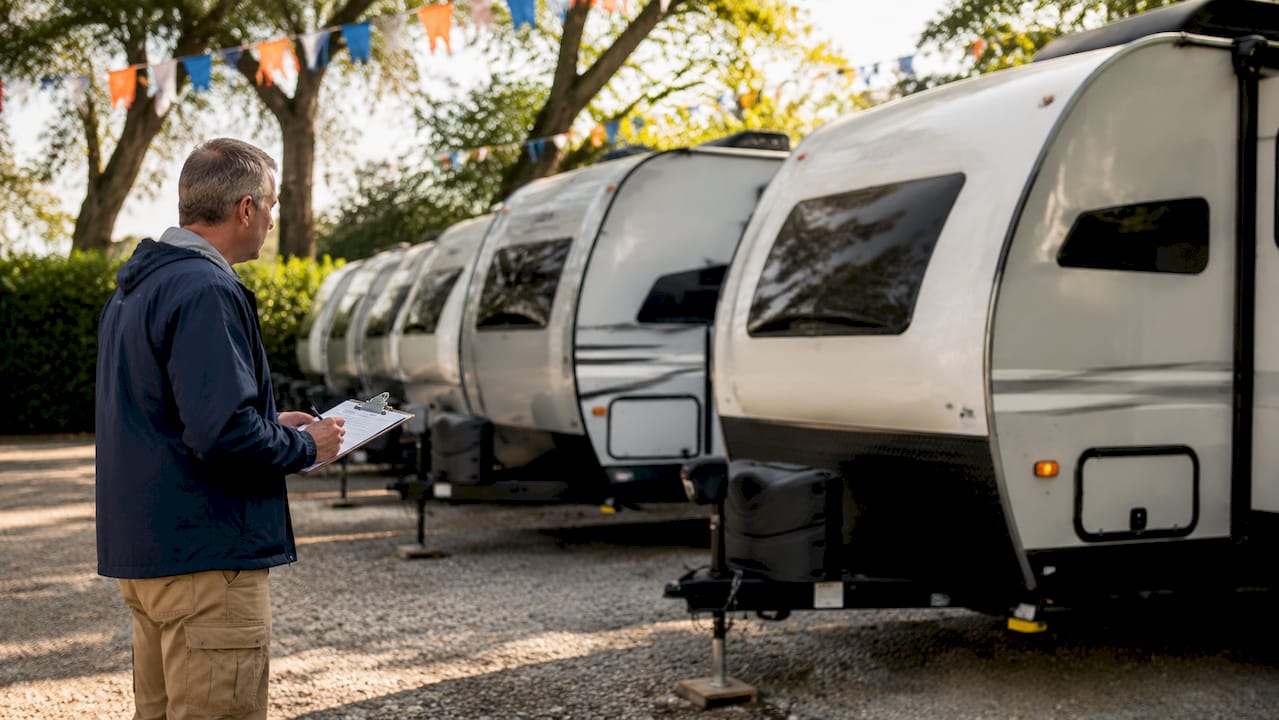
Test-driving before buying is not optional for a budget buyer. Renting a similar RV for a weekend costs $100–$300 per night and can save thousands by preventing buyer’s remorse. That shakedown trip tells you whether you actually want to cook in a galley kitchen, sleep in a fixed bed, and manage a gray water tank. Confirm the lifestyle before you commit the money.
Pro Tip: Use Gently Used RVs to search listings by location. The platform’s geotargeted results show you the closest rigs first, so you can inspect in person before making any offer. Apply negotiation strategies to get the price down further.
How to plan your RV travel and camping to save money
Travel pace is the most powerful cost control tool available to you. Slow travel unlocks weekly and monthly campground rates that nightly pricing never offers, and it cuts fuel consumption dramatically. Moving every day is the fastest way to blow a budget. Staying put for a week or more is the fastest way to protect one.
Here is a practical sequence for planning a low-cost trip:
- Map your route logically. Drive in one direction rather than zigzagging. Backtracking burns fuel and adds wear on your rig.
- Identify free or low-cost camping first. Fill your calendar with public land, state parks, and boondocking spots before adding paid private parks.
- Book mid-week arrivals. Mid-week stays and longer bookings can reduce campground costs by up to 30% compared to weekend short-term rates.
- Layer in paid parks strategically. Use private RV parks with full hookups only when you need to dump tanks, do laundry, or recharge batteries.
- Build in rest weeks. Staying in one spot for 7–14 days cuts your per-night cost and gives you time to work, explore locally, and recover.
Campground fees vary widely by type. The table below shows what you can realistically expect to pay per night in 2026:
| Campground type | Nightly rate range | Hookups included |
|---|---|---|
| National/state park (no hookups) | $20 and up | No |
| Private RV park | $40–$80 | Usually yes |
| Boondocking (BLM/national forest) | Free | No |
| Harvest Hosts/similar memberships | Annual fee, free per night | No |
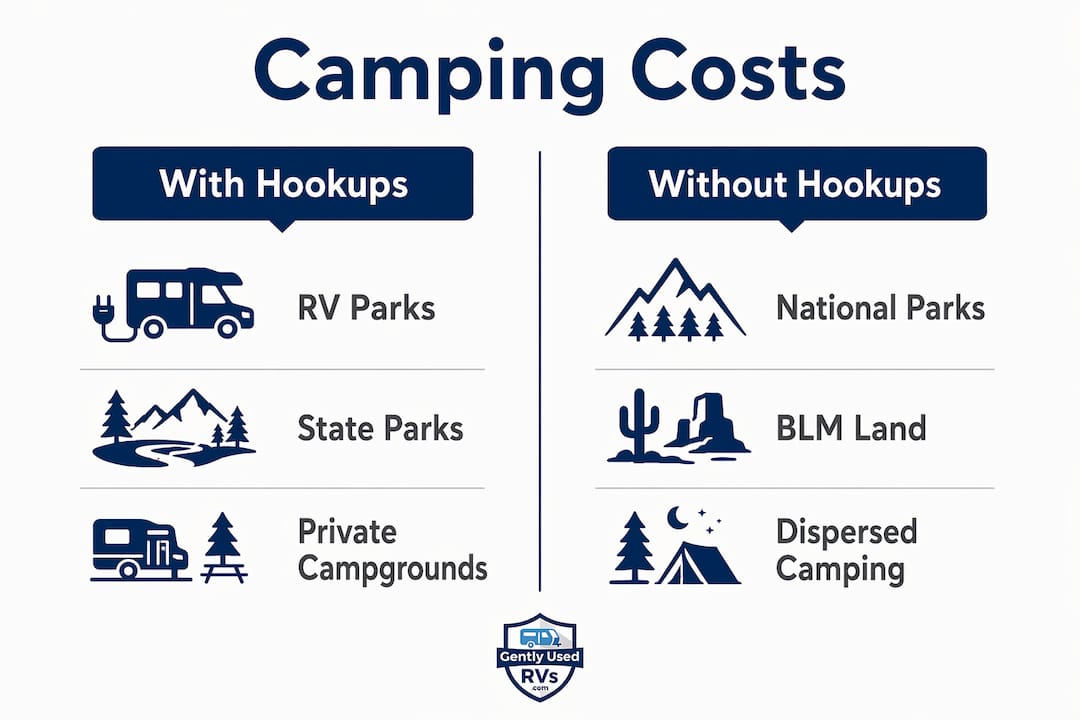
Boondocking, also called dry camping or dispersed camping, means parking on public land managed by the Bureau of Land Management (BLM) or the U.S. Forest Service at no charge. You rely on your own water, solar or battery power, and waste tanks. It requires some preparation but delivers the biggest savings of any camping strategy.
Pro Tip: Combine scenic byways with free BLM land along the route. Many of the most beautiful stretches of the American West sit directly adjacent to free dispersed camping areas.
Managing ongoing costs: fuel, maintenance, and daily expenses
Fuel is the expense that surprises new RVers most. Heavier rigs reduce fuel efficiency by up to 50% compared to lighter travel trailers. That difference compounds fast over thousands of miles. Choosing a lighter rig and limiting driving days are the two most direct ways to control your fuel bill.
Maintenance is the expense that catches people off guard when they skip it. Budgeting $200–$500 per month for proactive maintenance prevents emergency repairs that cost far more and derail trips. Set that money aside every month whether you spend it or not. When the roof seal needs attention or the water pump fails, you will be glad the fund exists.
Daily living costs respond well to a few consistent habits:
- Cook in the RV. Cooking your own meals can cut monthly food costs by up to 50% compared to eating out regularly. A well-stocked galley kitchen pays for itself within weeks.
- Use a prepaid or low-cost cell plan. Carriers like Visible, Mint Mobile, and T-Mobile offer plans that work well for RVers without locking you into a contract.
- Manage internet carefully. A cellular hotspot paired with a signal booster handles most remote work needs without a dedicated satellite subscription.
- Address domicile and insurance early. Selecting a domicile state, setting up mail forwarding, and choosing the right RV insurance policy prevents hidden costs that catch full-timers off guard. States like South Dakota, Texas, and Florida are popular choices for full-time RVers due to their favorable tax and registration rules.
- Buy gear gradually. Resist the urge to outfit your rig completely before your first trip. Buy what you actually need after you learn what you actually use.
What apps and tools help budget RVers save money?
Digital tools have changed what it means to RV cheaply. The right apps replace expensive guesswork with real data on fuel prices, campsite availability, and route efficiency.
- Campendium and The Dyrt: Both apps aggregate user reviews of free and low-cost campsites across the country. The Dyrt Pro membership unlocks offline maps and additional free site listings.
- GasBuddy: Shows real-time fuel prices at stations along your route. On a long trip, routing through cheaper fuel stops adds up to meaningful savings.
- Campground membership programs: Passport America, Thousand Trails, and Harvest Hosts each offer different models. Passport America provides 50% discounts at member parks. Thousand Trails offers zone-based camping for a flat annual fee. Harvest Hosts grants free overnight stays at wineries, farms, and breweries.
- Expense tracking apps: Apps like Trail Wallet or a simple Google Sheets budget template let you log fuel, camping, food, and maintenance costs in real time. Tracking every dollar is the only way to know if your budget is actually working.
- iOverlander and FreeCampsites.net: Both focus on free overnight options, including BLM land, Walmart parking lots, and casino lots where overnight stays are permitted.
- RV LIFE Trip Wizard: A route planning tool built specifically for RVers that accounts for rig height, weight, and propane restrictions on tunnels and bridges.
The combination of a free campsite app, a fuel price tracker, and a simple expense log covers the core needs of most budget RVers without any subscription cost.
Key takeaways
Affordable RV travel requires three things working together: a used rig purchased below market, a slow travel pace that unlocks discounted camping rates, and consistent daily spending habits that keep fuel, food, and maintenance costs in check.
| Point | Details |
|---|---|
| Buy used, not new | Used RVs cost 30–60% less than new models, with solid options available for $10,000–$30,000. |
| Slow down to save more | Staying longer at each stop cuts per-night costs and reduces fuel spending significantly. |
| Book mid-week and long stays | Mid-week and extended bookings reduce campground fees by up to 30% versus weekend rates. |
| Maintain proactively | Setting aside $200–$500 monthly for maintenance prevents costly emergency repairs on the road. |
| Cook in the RV | Preparing your own meals can cut monthly food costs by up to 50% compared to eating out. |
What I’ve learned about budget RVing that most guides skip
Most budget RVing guides tell you to buy used and boondock more. That advice is correct, but it misses the harder truth: the lifestyle only stays affordable if you stay disciplined about pace.
I have watched beginners blow their budgets in the first month by moving every two or three days. They spend more on fuel than they would on rent, and they never settle in long enough to find the free camping spots or the cheap weekly rates. The rig becomes a hotel room on wheels, and a very expensive one at that.
The other mistake I see constantly is over-buying gear before the first trip. You do not know what you need until you have lived in the rig for a few weeks. Buy the minimum, take the trip, and upgrade based on actual experience. That approach saves hundreds of dollars and prevents a storage unit full of unused equipment.
Budget RVing is genuinely sustainable when you treat it as a lifestyle with real financial discipline, not a vacation mode you can maintain indefinitely without effort. The people who make it work long-term are the ones who track every expense, move slowly, and resist the pressure to keep up with the full-timers who have been doing this for years.
— Christopher
Find your next affordable rig on Gently Used RVs
Ready to put these strategies into practice? Gently Used RVs is a free marketplace where private sellers and dealerships list used RVs across the United States, Canada, and internationally. You can browse listings without creating an account, and search results are geotargeted so you see the closest rigs first.

Start with the RV types guide to identify which rig fits your budget and travel style. Then search used RVs for sale to find options near you. If you prefer buying through a dealer, the RV dealer directory lists verified dealerships by location. Every listing on Gently Used RVs is free to post, with no commissions or hidden fees on either side of the transaction.
FAQ
How much does it cost to start RVing on a budget?
Entry-level used RVs are available for $10,000–$30,000, and monthly operating costs typically range from $1,600 to $3,500 depending on travel pace and camping choices.
What is the cheapest type of RV for beginners?
Travel trailers and pop-up campers offer the lowest purchase prices and no engine maintenance costs, making them the most budget-friendly starting point for new RVers.
How can I camp for free while RVing?
BLM land and U.S. Forest Service dispersed camping areas allow free overnight stays with no hookups. Apps like Campendium and The Dyrt help locate these sites along your route.
Does travel pace really affect my RV budget?
Travel pace is the single most impactful factor on monthly costs. Slower travel reduces fuel spending and unlocks discounted weekly and monthly campground rates that nightly pricing does not offer.
Should I rent an RV before buying one?
Renting a similar RV for a weekend costs $100–$300 per night and prevents costly mistakes by confirming whether the lifestyle suits you before you commit to a purchase.