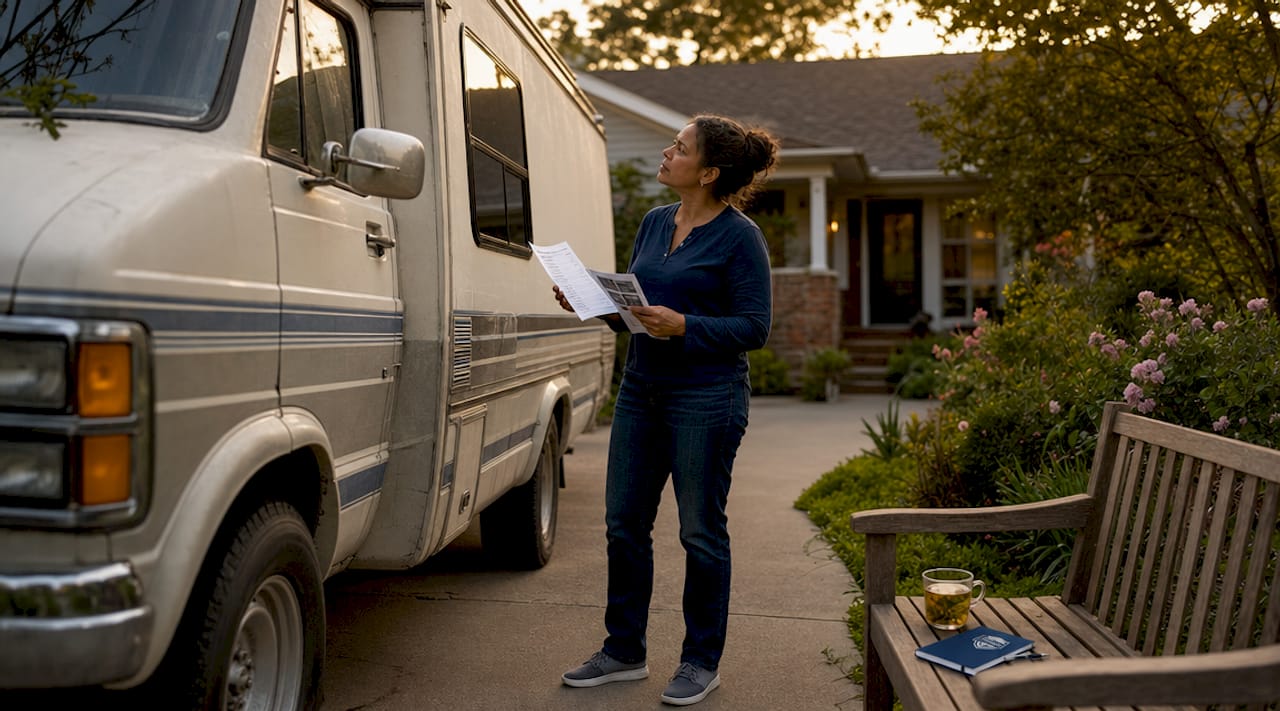
Buying a used motorhome for the first time is defined by one core challenge: knowing what you don’t know before you hand over your money. Most first-time buyers focus on the excitement of the open road and underestimate the mechanical, legal, and financial complexity hiding behind a shiny exterior. The good news is that the 2026 used motorhome market is more buyer-friendly than it has been in years, with increased stock and sellers more willing to negotiate than during the 2020 to 2022 peak. Follow the right steps, and your first purchase can be a genuinely great one.
What essential checks should you do before buying a used motorhome?
A used motorhome purchase is only as safe as the paperwork and systems behind it. Before you fall in love with the layout or the color, verify the legal and mechanical foundation of the vehicle.
Here is what to check before you commit:
- Registration and VIN match: Confirm the V5C registration document matches the Vehicle Identification Number on the chassis. Any mismatch is a serious red flag.
- MOT history and service records: Review the full MOT history online and ask for physical service invoices. Gaps in the record are a warning sign, not an oversight.
- Habitation service status: A habitation service covers the living systems, including gas, water, and electrics. Ask when the last one was completed and by whom.
- Gas and electrical safety: Request certificates for the gas system and check that the 12V and 240V electrical systems function correctly. Faulty wiring is a fire risk, not just an inconvenience.
- Driving license requirements: Drivers who passed after 1997 need a C1 license to legally drive any motorhome over 3,500kg Maximum Authorised Mass. Check this before you fall for a vehicle you cannot legally drive.
- Payload capacity: Payload considerations must include all occupants, pets, water, fuel, and gear. Manufacturers’ stated weights can be inaccurate if previous owners added equipment like solar panels or bike racks.
| Check | Why it matters |
|---|---|
| VIN and V5C match | Confirms the vehicle is not stolen or cloned |
| MOT and service history | Reveals mechanical reliability over time |
| Habitation service certificate | Verifies gas, water, and electrical systems are safe |
| C1 license check | Prevents buying a vehicle you cannot legally drive |
| Payload calculation | Avoids overloading, which is illegal and dangerous |
Pro Tip: Run a full HPI check on any used motorhome before viewing. It costs very little and reveals outstanding finance, write-off history, and stolen vehicle flags in minutes.

How to choose the right motorhome layout and size
Layout choice is where most first-time buyers go wrong. They pick what looks good in photos and regret it on their first trip. The habitation layout matters more than the base vehicle brand for long-term satisfaction. A Fiat Ducato base with the right floor plan will serve you better than a premium brand with a layout that fights your daily habits.
Here are the main motorhome types and what they suit:
- Coachbuilt (overcab): A fixed bed sits above the cab, which is great for couples who want a permanent sleeping area without converting the lounge each night. The high profile affects fuel economy and parking in tight spots.
- Low-profile: The most popular style in the U.S. and Europe. No overcab section, so it handles more like a large van. Better aerodynamics and easier to park, but sleeping arrangements often require converting the dinette.
- A-class: The cab is fully integrated into the habitation body. Maximum interior space and a premium feel, but the price reflects it. Best for full-time or long-term travel.
- Campervan (Class B): Built on a standard van chassis, like a Ford Transit or Mercedes Sprinter. Compact, easy to drive, and usable as a daily vehicle. Limited living space makes it better for two people traveling light.
Size affects more than comfort. A vehicle over 7.5 meters long will be refused entry at many campsites and will struggle in European mountain passes or tight U.S. state park roads. Storage space is equally critical. Many buyers underestimate how much gear they carry and end up with a motorhome that is perpetually overloaded.
Pro Tip: Hiring a motorhome with a similar layout for a weekend before buying is one of the smartest moves you can make. Some dealers will even credit the rental cost against your purchase price.
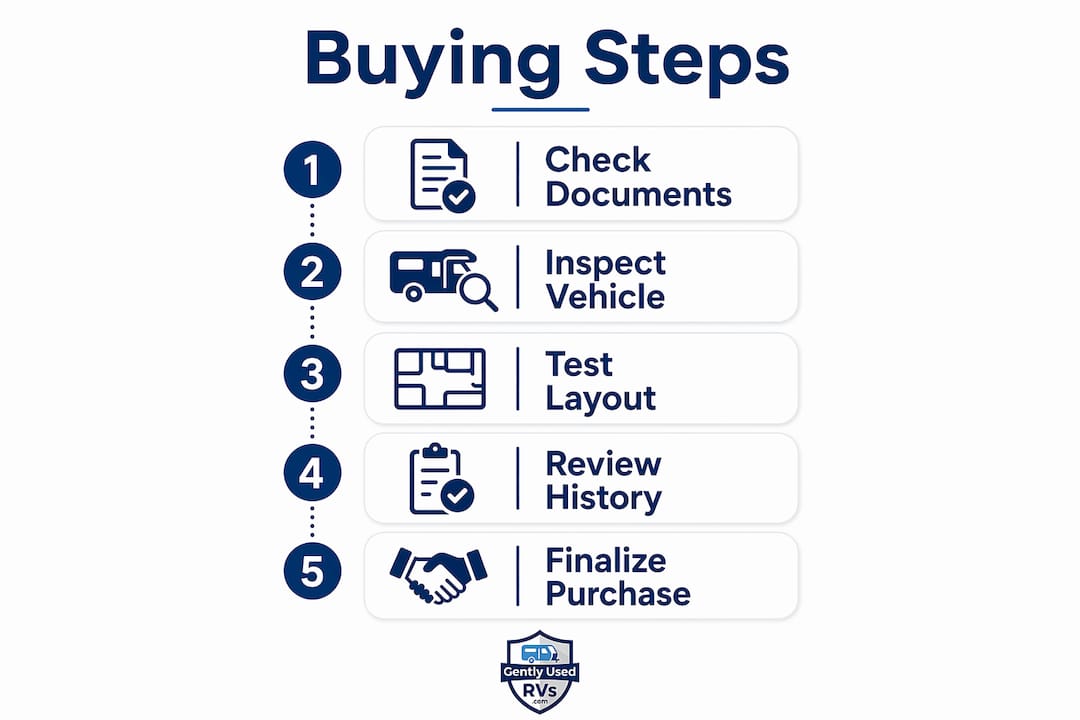
Buyers often fall for aesthetically pleasing layouts that fail in practical daily use. A fixed island bed sounds luxurious until you realize you cannot access the rear storage without climbing over it. Test the layout in real conditions before you commit.
What are the realistic costs of owning a used motorhome?
The purchase price is just the beginning. First-time buyers who budget only for the sticker price are almost always caught off guard within the first year.
Here is a realistic breakdown of what to expect:
- Annual maintenance and extras: Budget approximately $1,000 to $1,500 per year for maintenance and unexpected costs, on top of all fixed expenses. This covers minor repairs, consumables, and the surprises that every used vehicle delivers.
- Insurance: Motorhome insurance varies widely by vehicle age, value, and usage. Specialist insurers like Comfort Insurance or Saga (for older drivers) offer better rates than general auto policies.
- Habitation service: An annual habitation check costs between $100 and $200 and is non-negotiable for safety and warranty purposes.
- Road tax and registration fees: These vary by state or country but are a fixed annual cost you must factor in before purchase.
- Storage: If you cannot park the motorhome at home, secure storage runs from $50 to $200 per month depending on location and whether it is indoor or outdoor.
- Conversion quality impact: A well-maintained DIY conversion can be a better value buy than an expensive professional fit with hidden faults. Price does not always signal quality. Inspect the workmanship, not just the brand name on the door.
The total cost of ownership for a used motorhome in the first year routinely runs 20 to 30 percent above the purchase price when you account for all of the above. Plan for it, and you will not be blindsided.
What red flags should you watch for when inspecting a used motorhome?
Damp is the single most expensive problem in used motorhomes, and it is also the easiest to miss if you do not know what to look for. Signs of damp include cracked seals around rooflights and windows, rippling wall panels, and soft spots in walls or floors. Any one of these signals potentially thousands of dollars in repair costs. Do not let a seller dismiss them as cosmetic.
Beyond damp, here is what your inspection must cover:
- Mechanical condition: Test drive the vehicle at highway speed. Listen for transmission noise, check the brakes under load, and watch the temperature gauge. A cold start is also revealing. Smoke on startup or a rough idle needs investigation.
- Gas system: Check all burners, the oven, and the water heater. Look for corrosion on gas connections and ask for the most recent gas safety certificate.
- Electrical systems: Test every 12V and 240V outlet. Check that the leisure battery holds charge and that the solar panel or hookup charging system functions correctly.
- Roof and seals: Inspect every external seal with your fingers. Soft or cracked sealant around roof vents, skylights, and window frames is where water gets in.
- Underneath the vehicle: Check for rust on the chassis, particularly around the rear cross members and wheel arches. Surface rust is manageable. Structural rust is not.
| Issue | Severity | Negotiation impact |
|---|---|---|
| Cracked window seals | Medium | Use to negotiate $200 to $500 off |
| Soft wall panels (damp) | High | Walk away or demand professional assessment |
| Chassis rust (structural) | Critical | Walk away |
| Faulty leisure battery | Low | Negotiate cost of replacement |
| Gas certificate expired | Medium | Require seller to renew before sale |
Negotiation techniques that categorize defects by urgency and impact help you convert inspection findings into a fair offer. Do not present a list of complaints. Present a prioritized case. And buy locally when you can. Motorhomes are hand-built with complex systems, and a local dealer is far easier to return to for snagging issues than a seller three states away.
Key takeaways
Buying a used motorhome for the first time requires verifying legal documents, testing the layout before committing, budgeting for total ownership costs, and inspecting for damp and mechanical issues before signing anything.
| Point | Details |
|---|---|
| Verify legal documents first | Check VIN, V5C, MOT history, and C1 license requirements before anything else. |
| Test the layout in real life | Rent a similar motorhome for a weekend to confirm the floor plan suits your actual habits. |
| Budget beyond the purchase price | Add $1,000 to $1,500 annually for maintenance on top of insurance, storage, and service costs. |
| Damp is the top inspection priority | Check seals, wall panels, and floors for soft spots before any other cosmetic assessment. |
| Buy locally for ongoing support | A local dealer makes warranty claims and snagging issues far easier to resolve. |
What I’ve learned from watching first-time buyers get it right and wrong
I have seen buyers walk away from genuinely good motorhomes because they were intimidated by the inspection process. I have also seen buyers hand over full asking price for vehicles with active damp problems because the interior looked fresh. Both outcomes are avoidable.
The single biggest mistake I see is rushing. The 2026 market gives buyers more leverage than they have had in years. Sellers are negotiating. Stock is up. There is no reason to panic-buy the first vehicle that excites you. Take the time to rent a similar layout first. It sounds like an extra step, but it has saved more buyers from expensive regret than any checklist I have ever written.
My other strong advice: do not let cosmetic appeal override structural concerns. A new kitchen splashback and fresh upholstery cost a seller very little. Damp remediation costs you a lot. Always look behind the pretty surfaces. And when you find a vehicle that passes every check, buy from someone local. The after-sales relationship matters more than most first-time buyers expect.
— Christopher
Find your first used motorhome on Gentlyusedrvs
Ready to start your search with confidence? Gentlyusedrvs is a free marketplace where private sellers and dealerships list used motorhomes across the U.S., Canada, and internationally. You can browse listings without creating an account, and search results are geotargeted so you see the closest options first.

Use the RV types guide to get clear on which class and layout fits your lifestyle before you start browsing. When you are ready to connect with a dealer for in-person support and after-sales service, the RV dealer directory puts verified local dealerships within reach. Whether you are looking at a Class B campervan or a full coachbuilt A-class, Gentlyusedrvs has the inventory and the tools to make your first purchase a smart one.
FAQ
What should I check first when buying a used motorhome?
Start with the VIN and registration documents to confirm they match, then review the full MOT and service history. These checks reveal legal and mechanical issues before you invest time in a physical inspection.
Do I need a special license to drive a used motorhome?
Drivers who passed their test after 1997 need a C1 license to drive any motorhome over 3,500kg. Check the vehicle’s Maximum Authorised Mass against your license category before you buy.
How much should I budget for used motorhome maintenance?
Budget $1,000 to $1,500 per year for maintenance and unexpected repairs, separate from fixed costs like insurance, habitation services, and storage fees.
What is the most common problem in used motorhomes?
Damp is the most common and costly issue. Look for cracked seals, rippling wall panels, and soft spots in floors or walls during any inspection.
Is the 2026 used motorhome market good for buyers?
Yes. The 2026 market has more stock and more seller willingness to negotiate compared to the 2020 to 2022 peak, giving first-time buyers real pricing leverage.