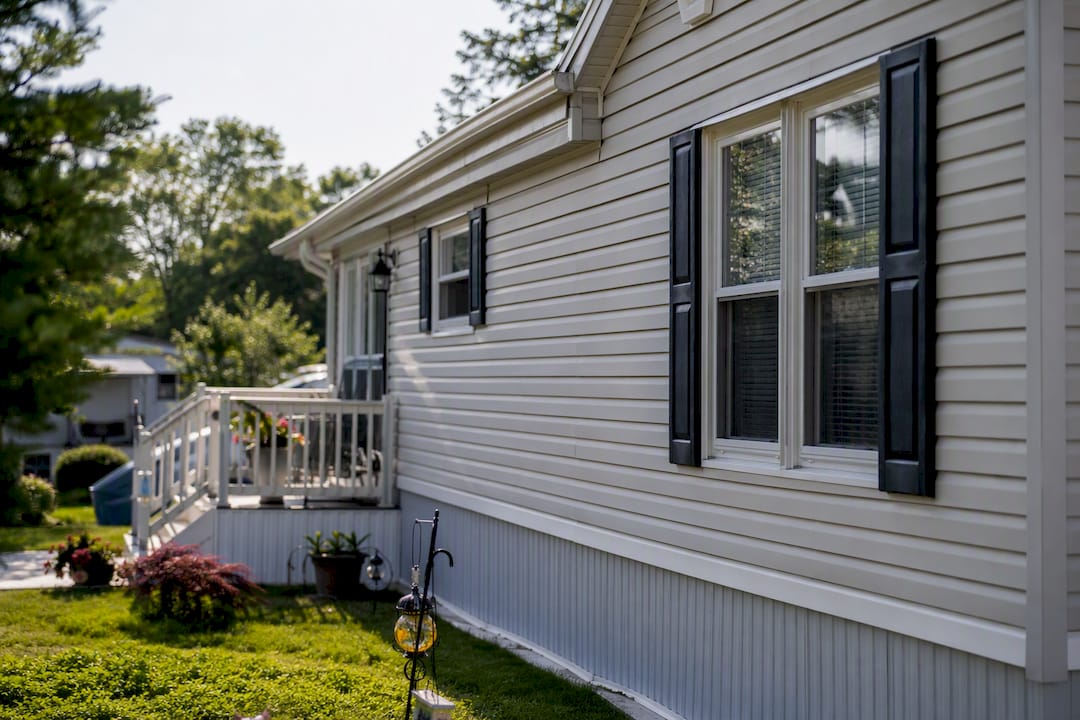
Most park model sellers face one decision before anything else: will the buyer keep the home on its current lot, or move it somewhere new? Pick the in-park path if you want the widest local buyer pool and a faster park-approval process; pick transportable if you want top dollar from a national audience. Either way, confirm your title status and your park’s lease rules first, then list on a marketplace like Gently Used RVs to start collecting offers.
TL;DR:
- In-place sales tend to be faster and attract local buyers but often yield lower prices due to park approval requirements and lot rent factors.
- Transportable sales reach a wider, often national, audience and can command higher prices but involve longer timelines and delivery logistics.
- Securing park approval requires initial application, background checks, and usually takes one to three weeks, making contingency clauses essential in contracts.
- Proper documentation, including the original title, bill of sale, lien releases, and condition reports, is crucial to avoid delays and legal issues at closing.
- Listing on Gently Used RVs offers free and tiered options to reach local, state, or national buyers, with automation tools streamlining the listing process.
Table of Contents
- Sell Park Model RV: In-Park vs. Transportable, Which Fits You?
- What Does Park Approval Require, and How Long Does It Take?
- What Paperwork Do You Need to Transfer a Park Model Title?
- How Do You Price and List a Park Model RV?
- What Should a Park Model Listing Include?
- How Do You Negotiate Safely and Close the Sale?
- Why List Your Park Model on Gently Used RVs?
- What’s the Typical Timeline for a Transportable Sale?
- How Do You Prepare a Park Model for Sale?
- What Legal Disclosures Does a Park Model Listing Need?
- Do You Owe Taxes When You Sell a Park Model RV?
- What Do Most Park Model Sellers Get Wrong?
- Ready to List Your Park Model RV?
- Sources
Sell Park Model RV: In-Park vs. Transportable, Which Fits You?
The single biggest fork in the road when you sell a park model RV is whether the home stays put or gets hauled off. Each path changes your buyer pool, your price ceiling, and how long the sale takes to close.
An in-park sale means the buyer takes over your spot in the community as is. The park has to approve them, which slows things down but also means you’re marketing to people already comfortable with community living. A transportable sale means the buyer (or a mover they hire) relocates the unit, so your buyer pool stretches nationwide instead of stopping at the park gate.
That distinction shapes your price ceiling. In-place sales are usually convenience plays for the buyer, so they often trade at a modest premium over a bare unit but rarely reach the number a retail buyer would pay for a home dropped onto their own land. Transportable listings can command a stronger price because buyers pay for full retail value rather than a “move-in-ready lot” discount, even after delivery costs are factored in.
Here’s how the two paths typically break down for sellers:
- In-park sale: Faster local interest, smaller buyer pool, park approval required, price often reflects lot convenience.
- Transportable sale: Broader national buyer pool, higher achievable price, added delivery logistics, longer overall timeline.
- Hybrid approach: List as “buyer’s choice” and let early inquiries tell you which path the market actually wants.
Favor transportable when your unit is younger, well-maintained, and sits in a park with high lot rent or restrictive rules that might turn off in-place buyers. Favor keeping it in place when the park is desirable, lot rent is reasonable, and there’s already a waiting list of people wanting in. According to guidance on selling a mobile home in a trailer park, the park’s role only kicks in for in-place sales. If your buyer is moving the unit, the park isn’t a party to the transaction at all.
What Does Park Approval Require, and How Long Does It Take?
If you’re selling in place, park approval isn’t optional. It’s the gatekeeper step that determines whether your buyer can actually move in, and skipping past it in your contract language is the fastest way to blow up a deal at the finish line.
Most parks ask for the same core package before they’ll sign off on a new resident:
- A completed buyer application with personal and residency history.
- Credit and background checks run by the park’s management.
- Income verification, usually pay stubs or bank statements.
- A copy of the signed purchase agreement between you and the buyer.
Approval typically takes one to three weeks, though it can run longer if the park is backed up or the buyer’s paperwork is incomplete. Common denial reasons include insufficient income relative to lot rent, a spotty rental history, or the park simply capping occupancy for that section.
Because approval sits outside your control, build a park-approval contingency into your purchase agreement. This protects both sides: the buyer isn’t locked into a home they can’t legally occupy, and you aren’t stuck holding a unit off-market for weeks with no deal. Setting a firm window of 14 to 21 days for approval in the contract keeps everyone honest about timing.
Pro Tip: Collect the buyer’s application and financial documents before you sign a purchase agreement, not after. It shaves days off the approval clock and shows the park you’re a serious, organized seller.
What Paperwork Do You Need to Transfer a Park Model Title?
Title problems are the number one reason park model sales stall right before closing. Gather these documents early so you’re not scrambling once a buyer is ready to move.
- The original title, showing you as the legal owner with no outstanding liens.
- A bill of sale documenting the price, date, and both parties’ signatures.
- A lien release letter if a lender was ever attached to the unit.
- Inspection and maintenance records that back up your listing’s condition claims.
- A copy of your lot lease, if the buyer is taking over the park spot.
State rules diverge here more than most sellers expect. Some states classify park models as RVs, others as manufactured housing, and that classification changes which agency handles the paperwork and what taxes apply. Washington’s Department of Revenue, for instance, treats the tax filing differently depending on whether the unit will move from its current site or stay in place. Don’t assume your neighbor’s experience in a different state applies to yours.
Verify your unit’s classification with your state’s DMV or manufactured housing office before you list, not after you’ve already got a buyer. If your title is lost, most states have a duplicate title process through the same agency, though it can add a week or two to your timeline. Notarization is required in many states for the transfer signature, and if a lender is still owed money, that payoff typically routes through escrow or a closing agent so the lien release and the buyer’s payment happen in the same transaction.
How Do You Price and List a Park Model RV?
Pricing a park model without comparables is guesswork, and guesswork costs you money either way, too low and you’re leaving cash on the table, too high and you sit unsold for months. Start by pulling recent sales of similar units, then adjust for two things most sellers overlook: lot desirability and delivery cost.
For in-park sales, separate the home’s value from the lot’s value in your own head before you set a number. A well-kept unit in a park with low lot rent and a long waiting list justifies a real premium. The same unit in a park with high fees or a spotty reputation won’t command the same number, no matter how nice the interior looks. Listing both figures, the home price and the current lot rent, in your ad also builds trust with buyers who hate discovering hidden monthly costs after they’ve already fallen for the place. Our guide on pricing a used RV walks through comparable research in more depth.
Where you list depends on your path:
- In-park sales do well on local and community-specific channels where buyers are already searching for spots in that park or region.
- Transportable sales need national reach, since your real buyer might be three states away and willing to pay for delivery.
- Both paths benefit from a marketplace that lets you widen your radius later if local interest stalls.
If you’re going transportable, price in the delivery cost conversation up front. Delivery is commonly billed per loaded mile plus a flat setup fee at the destination, so a buyer three hundred miles away is doing math you should already know the answer to. For a deeper look at delivery logistics and budgeting, this modular home delivery guide breaks down what buyers typically expect to pay and plan for.
What Should a Park Model Listing Include?
A thin listing invites endless back-and-forth messages, and a thorough one sells itself. Buyers researching park models ask the same handful of questions every time, so answer them before they’re asked.
Photograph these six things without exception:
- All four exterior sides, including the roofline and skirting.
- Every interior room, shot with lights on and clutter cleared.
- The VIN or serial data plate, usually near the tongue or main electrical panel.
- Utility hookups (water, sewer, electric) so buyers can assess compatibility.
- The lot itself, including neighboring units and any shared amenities.
- The floorplan, either photographed from a manual or hand-sketched if none exists.
Beyond photos, your listing text needs to state the lot rent, the park’s name, current lease terms, and any occupancy rules that might affect who can buy, some parks restrict age or seasonal use, and burying that detail wastes everyone’s time. Upload your inspection report and maintenance receipts directly to the listing if your platform allows it; documentation that a buyer can see before they even call you cuts down on skeptical, drawn-out negotiations.
Pro Tip: List your most recent maintenance receipt front and center. A buyer who sees a serviced water heater or a new roof seal from six months ago negotiates less aggressively than one working from guesswork.
How Do You Negotiate Safely and Close the Sale?
Once you’ve got a serious offer, the goal shifts from marketing to protecting yourself through closing. Cash and certified funds remain the safest payment methods; wire transfers through a title company or escrow service add a layer of verification that a personal check simply can’t match.
- Use escrow or a closing agent to hold funds until title transfer is confirmed.
- Structure deposits with clear contingencies for park approval and, for transportable sales, delivery timing.
- Require signatures to be notarized where your state mandates it.
- Notify the park in writing once a buyer is approved, and get written acknowledgment back.
- Confirm the lien release, if any, is processed before you hand over keys.
Buyers commonly worry about hidden lot fees, whether the title is truly clean, and how firm your asking price is. Address all three head on in your listing and your first conversation, it eliminates the negotiation theater where a buyer lowballs you hoping to find a problem. If a buyer pushes hard on price, a documented recent repair or a written park-approval timeline often does more to hold your number than arguing does.
Why List Your Park Model on Gently Used RVs?
Gently Used RVs covers every RV category, including park models, and it’s built around the exact friction points sellers hit above. Listing is free, with no commissions or hidden fees eating into your sale price.
- The free tier gives you 30 days of visibility within a 20-mile radius, solid for in-park sales where your buyer is already local.
- Bronze ($29.99/month) expands to a 50-mile radius with room for up to 50 photos, useful when your park draws from a wider region.
- Silver ($59.99/month) goes statewide, a smart move if your unit is transportable and you want more in-state interest before paying for national reach.
- Gold ($199 for six months) puts your listing in front of buyers nationwide, plus live chat and appointment scheduling, exactly the tier transportable sellers should consider when they’re chasing that stronger retail-value price.
The platform’s AI-powered autofill tool pulls your year, make, model, specs, price, and photos straight from another site’s URL, saving you the tedious re-entry work most sellers dread. Learn more about how the listing process works before you start.
What’s the Typical Timeline for a Transportable Sale?
Transportable sales run longer than in-park sales, mostly because delivery logistics add steps that a same-lot transfer never touches. Expect the full process, from accepted offer to keys handed over, to take anywhere from three to eight weeks depending on mover availability and destination distance.
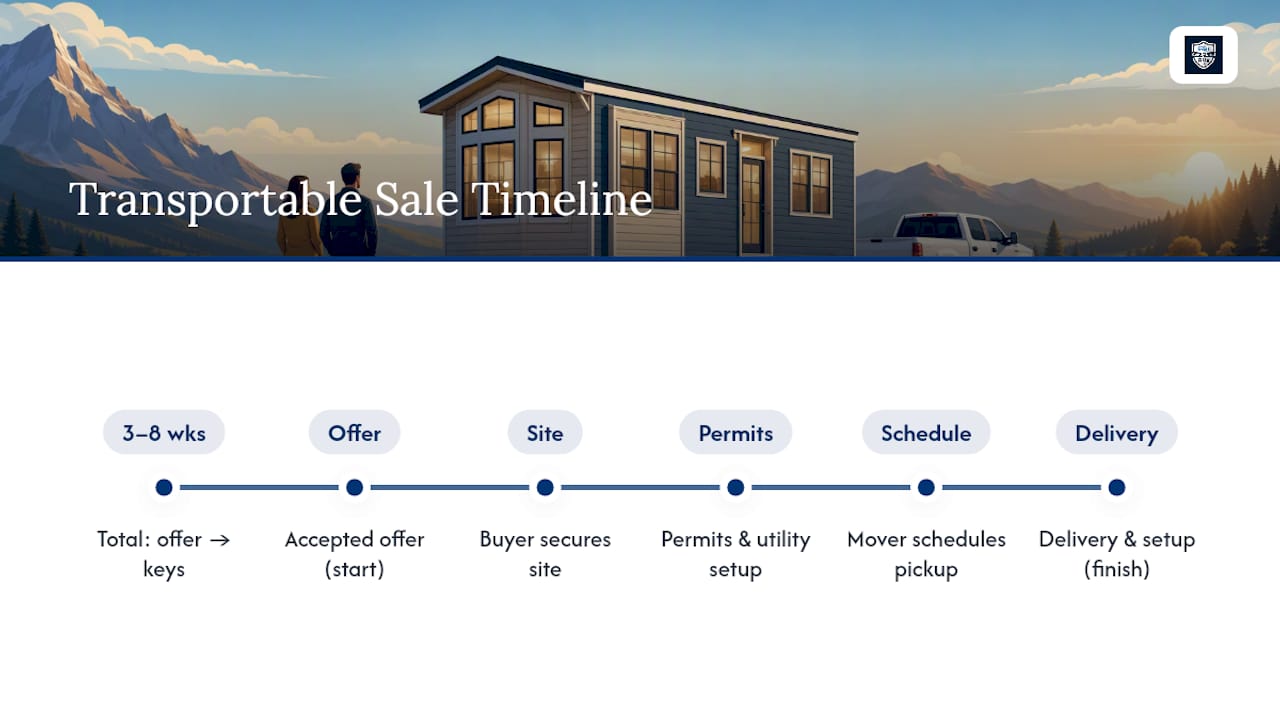
The buyer typically needs to secure a site first, whether that’s a park spot, private land, or a storage yard, before any transport company will schedule a pickup. That site prep can take longer than the sale negotiation itself, especially if the buyer needs permits or utility hookups installed before delivery. Build that reality into your expectations rather than assuming the deal closes the moment money changes hands.
Delivery itself typically runs a few days for the mover to secure permits, especially for oversize loads crossing state lines, then transport and setup at the destination. Park models are designed to be towable for these longer relocations, and many dealers and parks offer delivery or setup services directly, which can simplify coordination if your buyer doesn’t want to source a mover independently.
Include a delivery contingency in your purchase agreement that spells out who’s responsible for arranging transport, what the timeline looks like, and what happens if delivery gets delayed or denied at the destination park. Without that clause, a stalled delivery becomes a dispute over whose fault it is and who eats the cost, exactly the kind of ambiguity a written contract should have already resolved.
How Do You Prepare a Park Model for Sale?
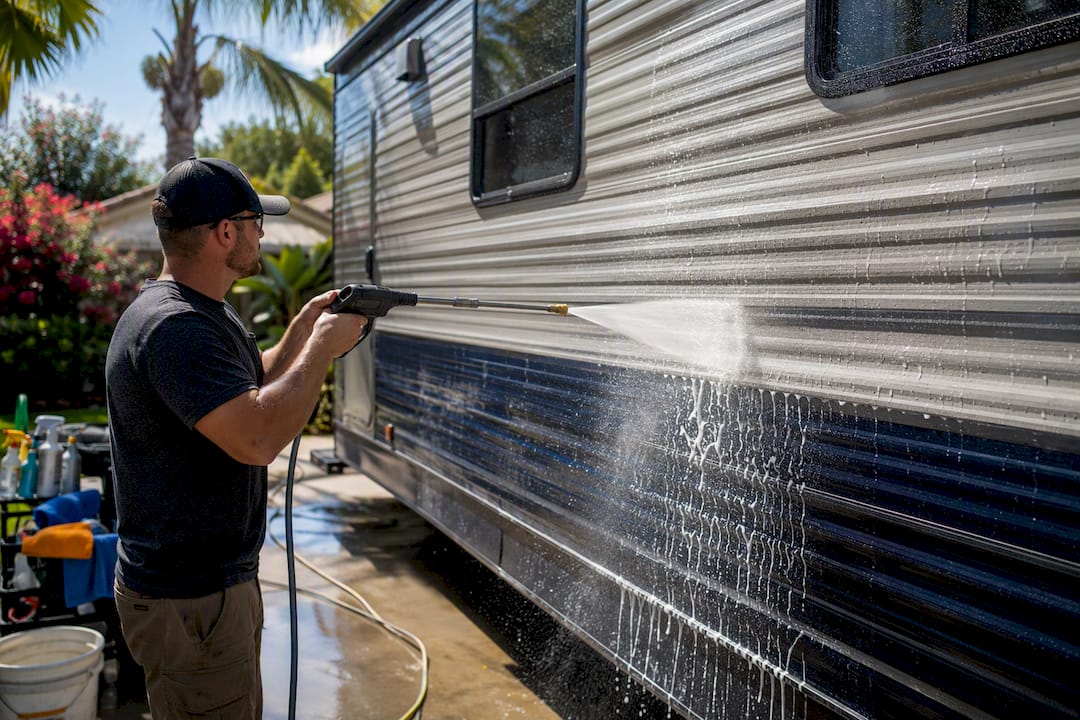
Buyers judge a park model within the first thirty seconds of walking through the door, and most of what shapes that impression costs very little to fix. Start outside: pressure wash the exterior, clear the skirting of debris, and make sure the deck or steps are solid underfoot. A tired-looking exterior makes buyers assume the interior has been neglected too, even when it hasn’t.
Inside, a deep clean matters more for park models than almost any other RV type, because buyers are evaluating it as a potential residence, not just a vacation unit. Address any water stains, musty odors, or soft spots in flooring before you list; these are the first things a buyer’s inspector will flag, and fixing them yourself is almost always cheaper than a buyer negotiating a price cut over it later.
Small repairs pay for themselves. A resealed roof seam, a serviced water heater, or a patched screen door costs a fraction of what a buyer will discount for the same issue during negotiation. Staging matters too: clear personal items, open the blinds, and stage the main living area so buyers can picture their own furniture in the space rather than yours. Our RV detailing checklist walks through the specific cleaning steps that make the biggest difference in listing photos.
What Legal Disclosures Does a Park Model Listing Need?
Every state has different disclosure rules, but a few condition items show up as expected practice almost everywhere. A written condition report, whether formal or simply a detailed paragraph in your listing, protects you from later claims that you hid a known defect.
Disclose known issues plainly: past water damage, structural repairs, pest history, or anything that required a major system replacement. Buyers who discover an undisclosed problem after closing have legal recourse in most states, and a documented disclosure is your best protection against that claim. If you’ve had a recent inspection, attach it to the listing rather than just referencing that one exists; buyers trust documents they can read over documents they’re told about secondhand.
For in-park sales, disclose the current lot rent, any pending rent increases you’re aware of, and park rules that might restrict the buyer’s use, age restrictions, seasonal occupancy limits, or pet policies are the ones that generate the most post-sale disputes. Leaving these out doesn’t just risk a legal headache, it risks the park rejecting your buyer’s application weeks into the process because nobody mentioned a rule that disqualified them from the start.
Do You Owe Taxes When You Sell a Park Model RV?
Tax treatment for a park model sale depends heavily on how your state classifies the unit and whether it’s staying in place or moving. This is not a one-size-fits-all answer, and guessing wrong can mean an unexpected bill months after closing.
Washington’s Department of Revenue treats transfers differently depending on whether the trailer moves off the land or stays put, sometimes requiring an affidavit or a real estate excise tax filing rather than a standard vehicle sales tax. Other states may apply their vehicle sales tax framework if the unit is titled as an RV, or a real property transfer tax if it’s classified as an improvement to land. The point isn’t which specific rule applies to you, it’s that you cannot assume your situation matches a general RV sale or a general home sale.
Capital gains treatment follows a similar logic: if the park model was your primary residence, you may have exclusions available under federal tax rules that wouldn’t apply to a second unit or an investment property. Consult your state’s tax authority or a tax professional who handles manufactured housing transactions before you finalize a sale price, because the after-tax number is the one that actually matters to your bottom line.
What Do Most Park Model Sellers Get Wrong?
The most common mistake we see is sellers assuming their unit’s path before checking the facts, listing as “must stay in park” when the unit could have moved for a stronger price, or listing as transportable when the park would have approved a buyer in two weeks flat. One seller we heard about nearly turned down a full-price offer because they hadn’t confirmed their state’s title classification, only to find the paperwork took a single afternoon once they called the right office.
Three takeaways worth remembering: verify your title and park rules before you price anything, build contingencies into every contract, and never skip the written condition disclosure no matter how minor the issue seems.
— Christopher
Ready to List Your Park Model RV?
Whichever path you choose, in-park or transportable, the fastest sales happen when your listing reaches the right buyers without you spending days on setup. Gently Used RVs strips out the friction: no commissions, no hidden fees, and an AI autofill tool that pulls your specs and photos straight from another listing URL in seconds.

Getting started takes four steps. Create your free listing, run the autofill tool if you’ve already got a listing elsewhere, choose your tier based on your sale path (free or Bronze for local in-park buyers, Silver or Gold if you’re going transportable and need statewide or national eyes), then respond to inquiries as they come in. If your park model has real retail value and you’re chasing a buyer who’ll cover delivery, the Gold tier’s nationwide visibility and live buyer chat often pay for themselves in a faster, stronger offer. Browse how park models fit alongside other RV types on the platform, or head straight to how it works to post your listing today.
Sources
For state-specific rules, verify directly with your state revenue department or titling office before listing.
- Sell a Manufactured Home for Full Retail — Private-Party Playbook | PERCH
- Transfers of used park model trailers | Washington Department of Revenue
- Park Model RVs | Go RVing