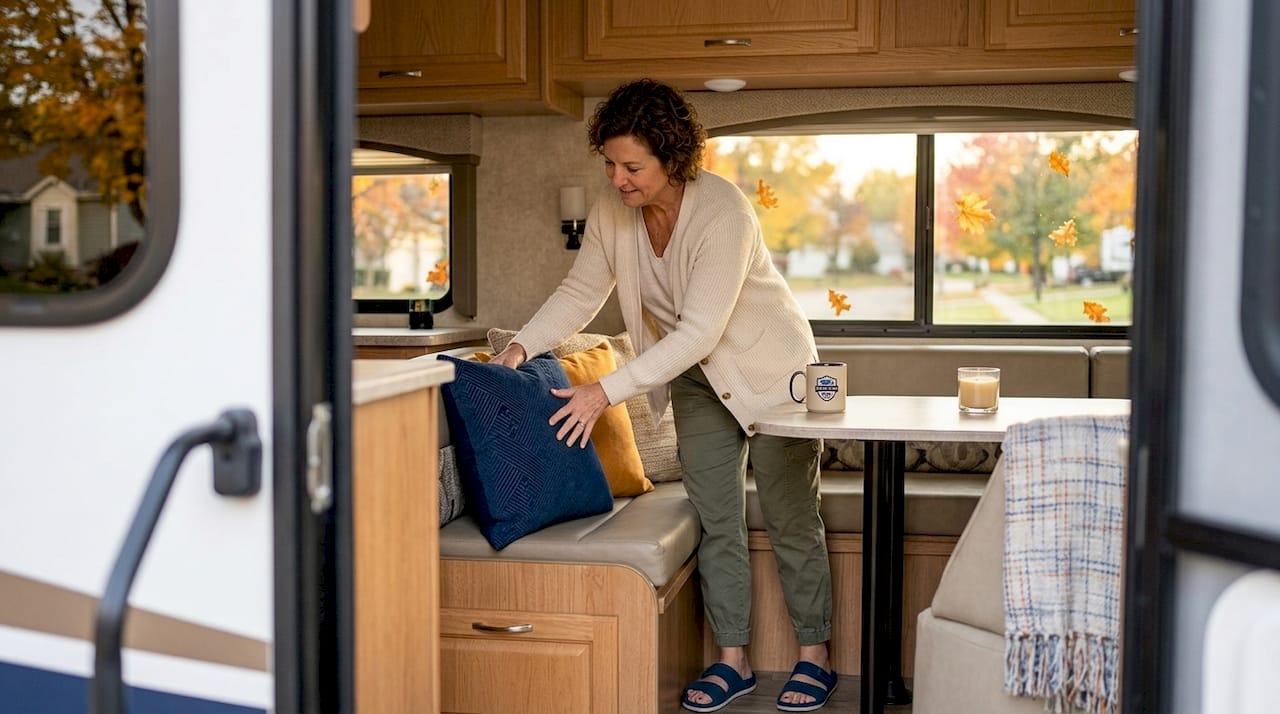
Knowing how to stage an RV for sale is the single biggest factor separating a quick, full-price deal from months of stale listings and lowball offers. The used RV market is competitive. Buyers scroll through dozens of listings before reaching yours, and first impressions form in seconds. Proper staging, what home sellers call “presentation prep,” transforms your rig from a lived-in vehicle into something a buyer genuinely wants. This guide covers every step from deep cleaning and functional checks to documentation, décor, and inspection prep so your RV shows its best from day one.
Table of Contents
- Key takeaways
- 1. How to stage an RV for sale starts with deep cleaning
- 2. Functional checks and minor repairs
- 3. Organizing documentation to support your asking price
- 4. Staging the interior for visual appeal
- 5. Exterior curb appeal and photo readiness
- 6. Preparing for buyer showings and inspections
- 7. Showcasing RV features strategically
- 8. Creating a compelling listing with quality photos
- 9. Pricing your RV to match your staging investment
- 10. Writing a listing description that matches your staging
- My honest take on staging an RV
- Ready to list your staged RV with confidence?
- FAQ
Key takeaways
| Point | Details |
|---|---|
| Clean first, stage second | Thorough cleaning inside and out is the non-negotiable foundation before any décor staging begins. |
| Function sells as much as looks | Buyers evaluate working systems and safety equipment just as closely as visual appeal. |
| Documentation justifies your price | Organized service records and upgrade receipts reduce buyer hesitation and strengthen your asking price. |
| Neutral décor opens small spaces | Light colors and minimal personal items make RV interiors feel larger and more inviting to buyers. |
| Inspection prep is its own discipline | Clearing compartments and enabling full system access can shorten inspection time and speed up closing. |
1. How to stage an RV for sale starts with deep cleaning
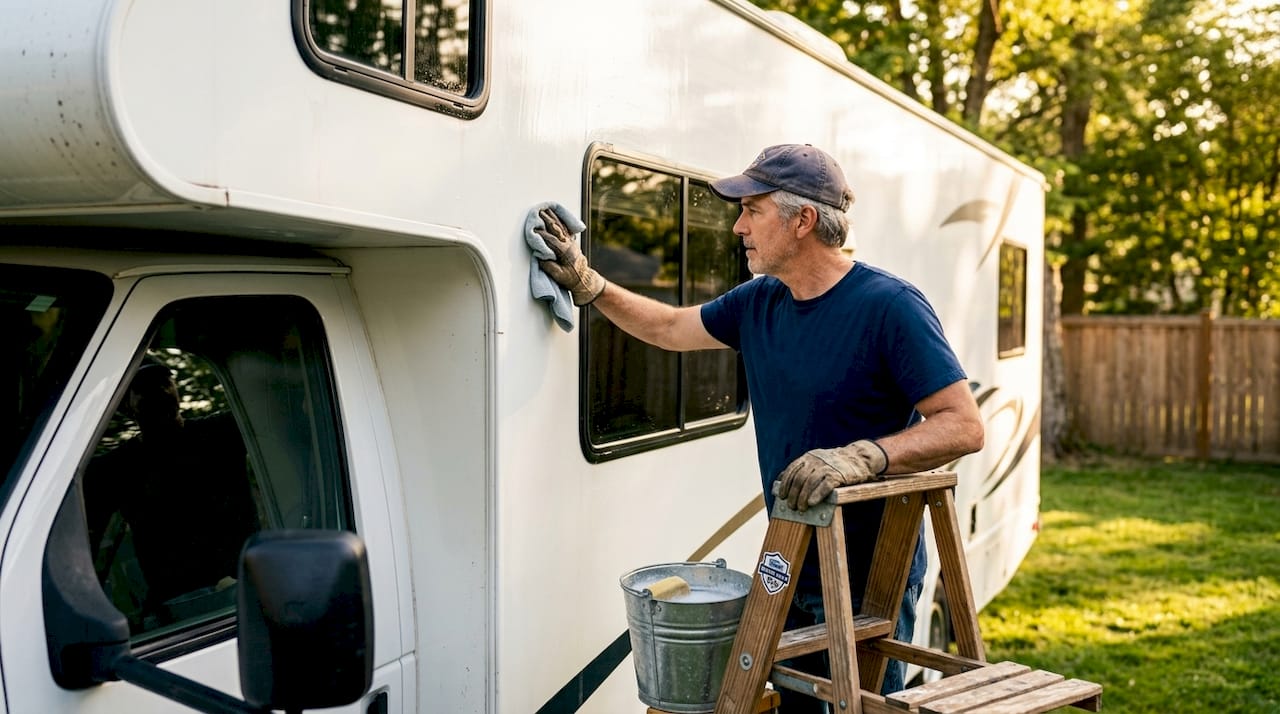
This is not a rinse-and-go situation. Thorough cleaning including an exterior wash with RV-safe soap, interior vacuuming, surface wiping, and odor control is the single most impactful thing you can do before a showing. Buyers notice grime before they notice anything else.
Here is your cleaning checklist:
- Exterior: Wash the roof, sidewalls, wheel wells, and windows with an RV-specific soap. Rinse slide-out seals and check for mildew. Polish chrome accents and clean awning fabric.
- Interior surfaces: Wipe down every cabinet face, countertop, and dashboard. Use a microfiber cloth and a gentle all-purpose cleaner on vinyl surfaces.
- Floors and upholstery: Vacuum carpets and spot-clean any stains. Steam clean if the carpet has pet odors or heavy soiling.
- Bathroom and kitchen: Scrub the toilet, sink, shower, and stovetop until they look close to new. These two areas are where buyers form strong opinions fast.
- Personal belongings: Remove everything. Family photos, personalized décor, stickers, magnets. Buyers need to picture their own life in the space, not yours.
Pro Tip: Place a small open box of baking soda inside the refrigerator and a subtle reed diffuser with a clean linen scent near the entry. Fresh smell signals a well-maintained RV without overpowering the space.
2. Functional checks and minor repairs
Visual appeal gets buyers through the door. Working systems keep them from walking out. Minor repairs and safety checks like confirming smoke detectors and fire extinguishers function properly significantly improve buyer confidence and reduce last-minute negotiation problems.
Work through this checklist before your first showing:
- Plumbing: Run water at every faucet. Check under sinks for drips, soft spots, or discoloration that signals a slow leak. Replace worn hoses before they become a deal-breaker.
- Electrical: Test every outlet, interior light, and exterior running light. Verify the inverter and any solar components operate correctly.
- HVAC: Run the air conditioning and furnace. Buyers absolutely will test both, regardless of the weather on showing day.
- Safety devices: Replace smoke detector batteries. Confirm the carbon monoxide detector works. Check the fire extinguisher pressure gauge.
- Batteries and propane: Charge batteries and fill propane before every showing so you can demonstrate the water heater, stove, and generator without interruption.
Pro Tip: Treat your RV like a test site. Spend 30 minutes operating every single system yourself before a showing. If something surprises you, it will definitely surprise the buyer at the worst possible moment.
3. Organizing documentation to support your asking price
A buyer who trusts the paperwork trusts the price. Organized service receipts, manuals, and maintenance logs signal that the RV was cared for, not just cleaned up for sale day.
Gather and present these items in a labeled folder or binder:
- Original owner’s manual and any appliance manuals
- Service receipts with dates, mileage, and what was done
- Registration and title documents
- Warranty paperwork for recent upgrades
- Records of major replacements: tires, batteries, roof reseal, water heater
Documenting repairs and upgrades focuses buyer attention on decision areas like the kitchen and bathroom where perceived value is judged most heavily. When a buyer sees a receipt for a new roof reseal done six months ago, that concern disappears from their mental checklist.
| Documentation item | Why it matters to buyers |
|---|---|
| Service receipts | Proves maintenance was done and not deferred |
| Upgrade records | Justifies asking price for newer components |
| Original manuals | Signals the RV was owned with care from day one |
| Registration and title | Removes uncertainty about ownership and liens |
| Warranty paperwork | Reduces perceived risk on expensive systems |
4. Staging the interior for visual appeal
This is where RV staging ideas borrowed from home real estate genuinely pay off. Neutral tones and decluttering help buyers imagine their own use and make confined RV interiors feel more spacious and inviting. You are not decorating. You are creating a blank canvas.
Practical steps that make a real difference:
- Replace any dated or worn bedding with a crisp white or gray set. It photographs beautifully and reads as “fresh.”
- Open every curtain and blind before photos or showings. Natural light makes interiors feel 50 percent larger in photographs.
- Set one or two tasteful props, think a folded throw blanket, a small succulent, or clean glassware on the kitchen counter. Just enough to suggest livability without cluttering the space.
- Remove any personal wall art and replace with a single neutral print or leave the walls bare.
Staging like a house with light colors and minimal décor makes small spaces feel larger and broadens your pool of interested buyers. A Class A motorhome that feels spacious and clean will attract buyers who might otherwise have ruled it out.
5. Exterior curb appeal and photo readiness
Buyers make snap judgments from the very first photo. The exterior shot is your listing’s cover, and it either earns a click or loses one.
| Staging element | Interior tips | Exterior tips |
|---|---|---|
| Lighting | Open curtains, use warm accent lights for photos | Shoot in morning or late afternoon light, avoid harsh midday shadows |
| Color and décor | Neutral bedding, minimal props, no personal items | Clean awning fabric, polish metal trim, remove bumper stickers |
| Space and access | Clear counters, open slide-outs for photos | Level the RV, extend slide-outs and awning for full visual impact |
| Condition signals | Clean glass in cabinets, fresh mat at entry | Wash tires, wax sidewalls, touch up any paint chips |
Waxing the exterior is one of the highest-return steps many sellers skip. A coat of RV-specific wax makes a five-year-old rig look three years newer in photos and in person. Level the RV on a flat surface before any photography. An unlevel RV reads as poorly maintained to an experienced buyer, even if nothing is mechanically wrong.
6. Preparing for buyer showings and inspections
Staging for buyer showings is about more than aesthetics. You need to think about logistics. A buyer who cannot access a compartment or cannot get a slide-out to extend during a walkthrough will start asking hard questions.
Here is how to prepare the physical setup:
- Clear all exterior storage bays completely. Inspectors require clear access for ladders, awnings, slide-out mechanisms, and leveling equipment.
- Have keys, remotes, and any lock codes written down and ready to hand over during the showing.
- Extend all slide-outs before buyers arrive so they can see the full living space immediately.
- Deploy the awning if it is in good condition. An extended awning adds to the experience and demonstrates the mechanism works.
- Schedule appointments with a 30-minute buffer between showings. Rushed walkthroughs create a negative impression and leave buyers with unanswered questions.
An RV inspection can last 4 to 10 hours for a thorough evaluation. Proper staging makes that process smooth and buyers confident rather than anxious. Clear communication around scheduling reduces surprises and helps you negotiate from a stronger position.
7. Showcasing RV features strategically
The best way to sell your RV is to let the features speak. Do not just list them in your ad description. Make them visible during showings.
Got solar panels on the roof? Have a simple printed card near the electrical panel explaining the system capacity and when the panels were installed. Upgraded the tires recently? Place the receipt on the driver’s seat so buyers see it immediately when they step in. Highlighting upgrades and key areas builds buyer trust and supports higher pricing without requiring a hard sales pitch from you.
Think about your RV’s strongest selling points. Maybe it is the outdoor kitchen on a toy hauler, or the residential refrigerator in a fifth wheel, or the full wall slide in a Class A. Whatever it is, make sure that feature is clean, operational, and the first thing a buyer sees or experiences during the walkthrough. Staging to highlight features is part of your RV selling checklist, not an afterthought.
8. Creating a compelling listing with quality photos
All of your staging work collapses if your listing photos are dark, cluttered, or shot on a cloudy day. Quality photos are the bridge between your physical staging and every online buyer who will never set foot inside until they are already interested.
Shoot in landscape orientation on the highest resolution setting your phone offers. Take exterior shots from a front three-quarter angle, which is how automotive photographers frame vehicles to make them look their best. For interiors, shoot from doorways and corners to capture the maximum field of view. A wide-angle lens adapter for your phone costs around twenty dollars and makes a meaningful difference in how spacious the interior appears.
Your RV selling checklist for photos should include at least one clear shot of each of these: exterior front, exterior rear, each slide-out, kitchen, bathroom, bedroom, living area, driver area, and the full electrical panel. Buyers who cannot see something in photos assume there is a reason you are hiding it.
9. Pricing your RV to match your staging investment
Good staging creates real perceived value, but you still need a price that reflects the market. An overpriced RV will sit regardless of how good it looks. Under-pricing after all that prep work means leaving money on the table.
Check recent sold listings on RV marketplaces, not just asking prices. Asking prices are wishes. Sold prices are the market. Factor in your upgrades and documented maintenance as genuine price justifiers. A well-staged, fully documented RV with recent tire and battery replacements can reasonably command a premium over a comparable unit with no records. Understanding how staging impacts pricing strategy helps you set a number that is confident, not arbitrary.
10. Writing a listing description that matches your staging
Your photos earn the click. Your description earns the inquiry. A great listing description mirrors what the buyer will actually experience when they show up.
Be specific. Instead of “well maintained,” write “New house batteries installed March 2025, roof resealed October 2024, original tires replaced with load-range E at 42,000 miles.” That level of detail signals honesty and filters for serious buyers. Mention every upgrade and every recent service. Buyers who feel informed show up ready to buy, not ready to negotiate every line item down.
My honest take on staging an RV
I’ve watched sellers spend hours picking the perfect throw pillow color while ignoring a propane connection that smelled faintly of gas. The visual staging advice is real and it works, but in my experience, functional readiness is what actually closes deals.
When a buyer arrives and every system fires up on the first try, that confidence carries through the entire conversation. When something does not work during the showing, it casts doubt on everything. I’ve seen beautifully staged RVs sit for months because the buyer discovered a soft floor during the inspection that the seller had not addressed.
My take: build your staging plan from the inside out. Start with every repair and functional check, then layer in the visual presentation. Transparency with documentation builds trust faster than any staging trick. When a buyer opens a binder of organized service records, they feel like they are buying from someone who respected the RV. That feeling is worth more than new bedding.
Staging is not an expense. It is the highest-return investment you will make in this sale.
— Christopher
Ready to list your staged RV with confidence?
You have done the work. Now put your staged RV in front of buyers who are actively looking. Gentlyusedrvs is a free online classifieds marketplace where private sellers and dealerships connect with buyers across the U.S., Canada, and internationally. No commissions, no hidden fees, and no account required for buyers to browse.

Whether you are selling a Class A motorhome, a fifth wheel, or a pop-up camper, Gentlyusedrvs makes the listing process simple. The AI-powered autofill tool pulls specs and photos automatically so you can publish a polished listing in minutes. Browse the RV types guide to confirm your category and then list your RV free to start connecting with real buyers today. Your staging work deserves real visibility on Gentlyusedrvs.
FAQ
What does staging an RV for sale actually mean?
Staging an RV means preparing it visually and functionally to attract buyers, similar to home staging. It includes deep cleaning, decluttering, minor repairs, neutral décor, and organizing documentation.
How long does it take to stage an RV before selling?
Most sellers can complete a thorough staging process in one to three days, depending on the RV’s condition. Budget extra time for repairs, professional cleaning, or photography.
Does staging an RV really increase the sale price?
Yes. Organized documentation and upgrades combined with clean, neutral presentation support higher asking prices and reduce buyer negotiation leverage.
What areas of an RV do buyers inspect most closely?
Buyers focus heavily on the kitchen, bathroom, and major systems like HVAC, plumbing, and electrical. Staging these decision zones with documented maintenance builds the strongest buyer confidence.
Should I fix everything before selling my RV?
Fix anything that affects safety, function, or immediate buyer trust. Minor cosmetic wear is acceptable if disclosed. Unaddressed repairs discovered during inspection give buyers leverage to negotiate your price down significantly.