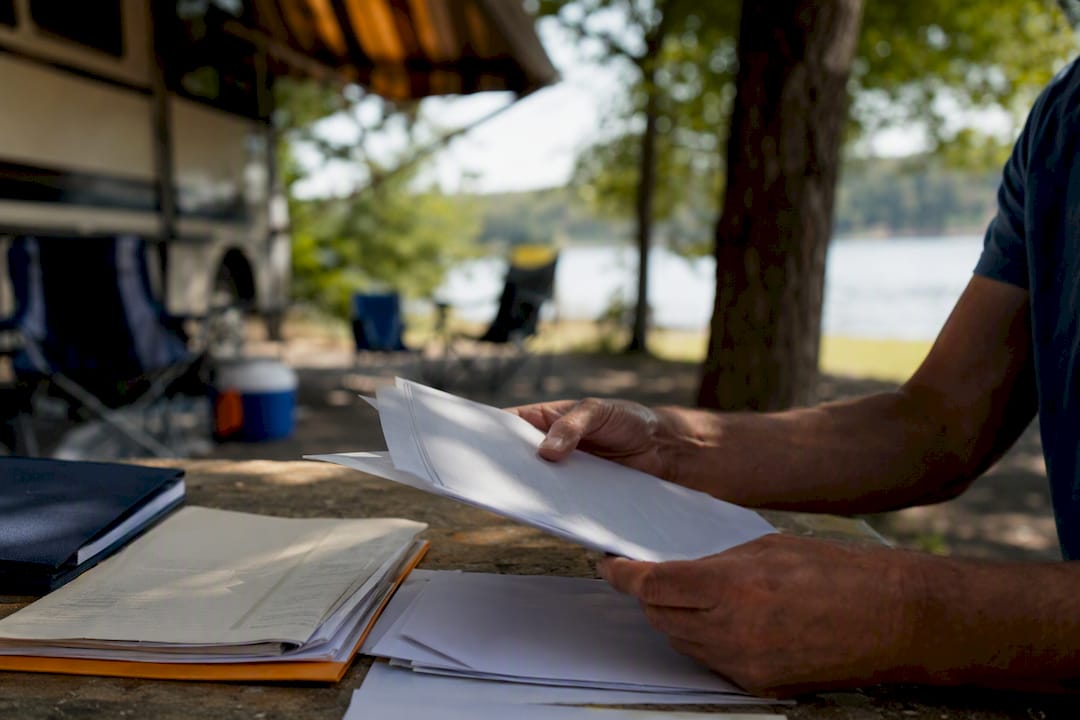
Here’s the one-sentence version: before you post that listing, have your original title (or MSO), a signed bill of sale, VIN verification photos, a lien release or written lien-holder permission, and a plan for AES/ITN filing ready to go, then say so in your listing. Three things stop cross-border RV sales cold: an active lien nobody disclosed, a title that’s a copy instead of the original, and a VIN plate that doesn’t match federal placement rules. Fix those first. Quick readiness check:
- Original title or MSO in hand (not a scan)
- Lien search completed, release letter in file if needed
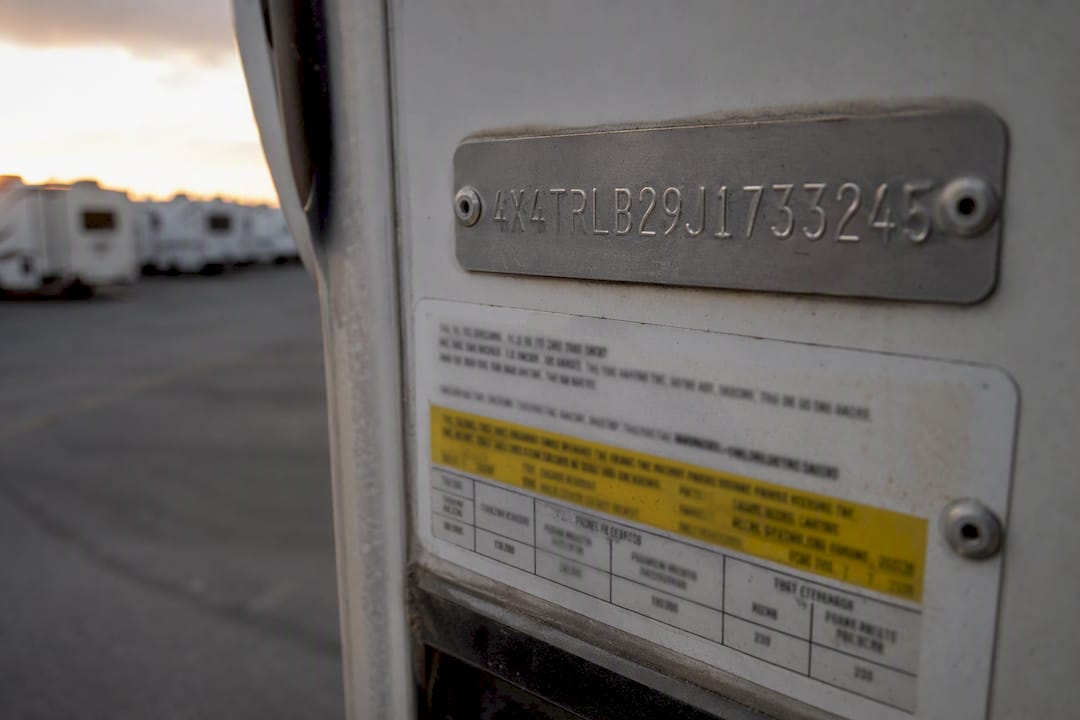
- VIN photographed at its permanent location
- Bill of sale drafted with VIN, price, and currency
- A U.S.-based agent or broker lined up for AES filing
Key Takeaways
A cross-border RV sale succeeds when the seller has original title documents, a lien release, VIN verification photos, and a written disclosure of buyer costs ready before the listing goes live.
| Point | Details |
|---|---|
| Originals over copies | Secure the original title or MSO and certified translations well before you list, not after an offer comes in. |
| Clear the lien first | Get a lien release letter or written lender permission before advertising the RV to avoid a closing-week collapse. |
| Know the 72-hour rule | AES filing and the export notice typically need to be submitted 72 hours ahead of some land port crossings. |
| Disclose costs upfront | State in the listing who pays shipping, duties, ICI fees, and state registration so buyers aren’t surprised later. |
| List free, reach further | Gently Used RVs lets sellers post at no cost, use AI autofill for specs, and upgrade for geotargeted, statewide, or nationwide buyer reach. |
Table of Contents
- Canadian RV Cross-Border Listing Tips: What to Gather First
- How Do You Write a Listing That U.S. Buyers Trust?
- What Paperwork Does the U.S. Buyer Need at the Border?
- Getting the RV to the Border Without a Bad Surprise
- Who Pays What: Setting Price and Buyer Expectations
- How Gently Used RVs Makes Cross-Border Listings Easier
- Sources
Canadian RV Cross-Border Listing Tips: What to Gather First
The paperwork stage is where most cross-border RV deals either move smoothly or grind to a halt for weeks. Get this part right and everything downstream, from AES filing to port presentation, goes faster.
Start with your document folder. You need the original title or Manufacturer’s Statement of Origin (MSO), not a photocopy or a PDF. Add a signed bill of sale that lists the VIN, agreed price, and currency (state clearly whether you’re quoting CAD, USD, or both). If there’s still a lien on the RV, get a lien release letter from your lender before you list, or at minimum written permission to sell pending payoff. Pull your current registration, and if the RV has ever been part of a manufacturer recall, get a recall-clearance letter. Round it out with any manufacturer compliance labels or a statement of compliance showing the unit meets the emissions and safety standards it was originally built to.
Photos matter almost as much as paperwork. Buyers and customs agents both want to see:
- The VIN at its permanent, factory-installed location (frame or chassis, not a removable sticker)
- Every page of the title
- The odometer reading
- The engine bay compliance label
- Manufacturer certification label, clearly legible
- Close-ups of anything a buyer might flag later: water stains, soft flooring, frame rust
If your title is electronic or the province issued it digitally, request the paper original well ahead of your target sale date. Provincial title offices can take weeks. Any document not in English needs a certified translation before it crosses the border.
Pro Tip: Run a lien search and pull a vehicle history report before you write a single word of your listing. Most cross-border deals that fall apart do so because a lien surfaced late or the seller only had copies of a title, not the originals a U.S. port officer will actually accept.
How Do You Write a Listing That U.S. Buyers Trust?
U.S. buyers researching a Canadian RV are nervous about three things: the exchange rate, who pays for what, and whether the paperwork is real. Answer all three in the listing itself, and you’ll get fewer time-wasting messages and more serious offers.
Lead with price clarity. State the number in CAD, then add the approximate USD equivalent, and specify which currency you expect payment in. Then say, in plain language, who covers export prep, freight, and any Independent Commercial Importer (ICI) modification work if the unit needs it. Buyers who don’t know this upfront assume the worst, or they assume you’re covering it, which creates a fight at closing.
Borrow language like this for your disclosure section: “Seller provides original title, signed bill of sale, and VIN documentation at closing. Buyer is responsible for export shipping, U.S. customs duties (if applicable), and state registration fees after import.” That single paragraph heads off half the questions a cross-border buyer would otherwise send you.
Your photo set should include VIN close-ups, the manufacturer compliance label, and a tight equipment/spec table (slide count, tank capacities, generator hours, tow rating). Mention your export timing plainly: note that AES filing and the 72-hour advance export notice will be handled before the unit reaches the border, and that the buyer will need to register the RV in their home state after import clears.
A few formatting habits build trust fast: use exact title language (“clean title, no liens” or “lien to be released prior to sale”), mention if you have a stamped CBP Form 7501 from a prior import (rare, but worth flagging if you have one), and offer to verify your identity to serious buyers. Sellers using the platform’s AI autofill tools can pull specs directly from a dealer listing URL, which cuts down on the manual data entry that often introduces errors into the spec table.
What Paperwork Does the U.S. Buyer Need at the Border?
The buyer, or whoever they’ve hired to handle the crossing, needs a specific stack of documents the moment the RV reaches a U.S. port of entry. Missing even one holds up release. That stack includes your original title (or a certified copy), stamped export paperwork, the signed bill of sale, the Internal Transaction Number (ITN) from AES filing, EPA Form 3520-1, DOT Form HS-7, and, in some cases, CBP Form 7501.
The AES/ITN piece trips up more Canadian sellers than anything else. AES filing is a U.S. requirement for vehicles entering U.S. commerce, and it’s typically filed by a U.S.-based customs broker or freight forwarder rather than the Canadian seller directly. Once filed, AES issues an ITN, and that number has to travel with the vehicle to port presentation.
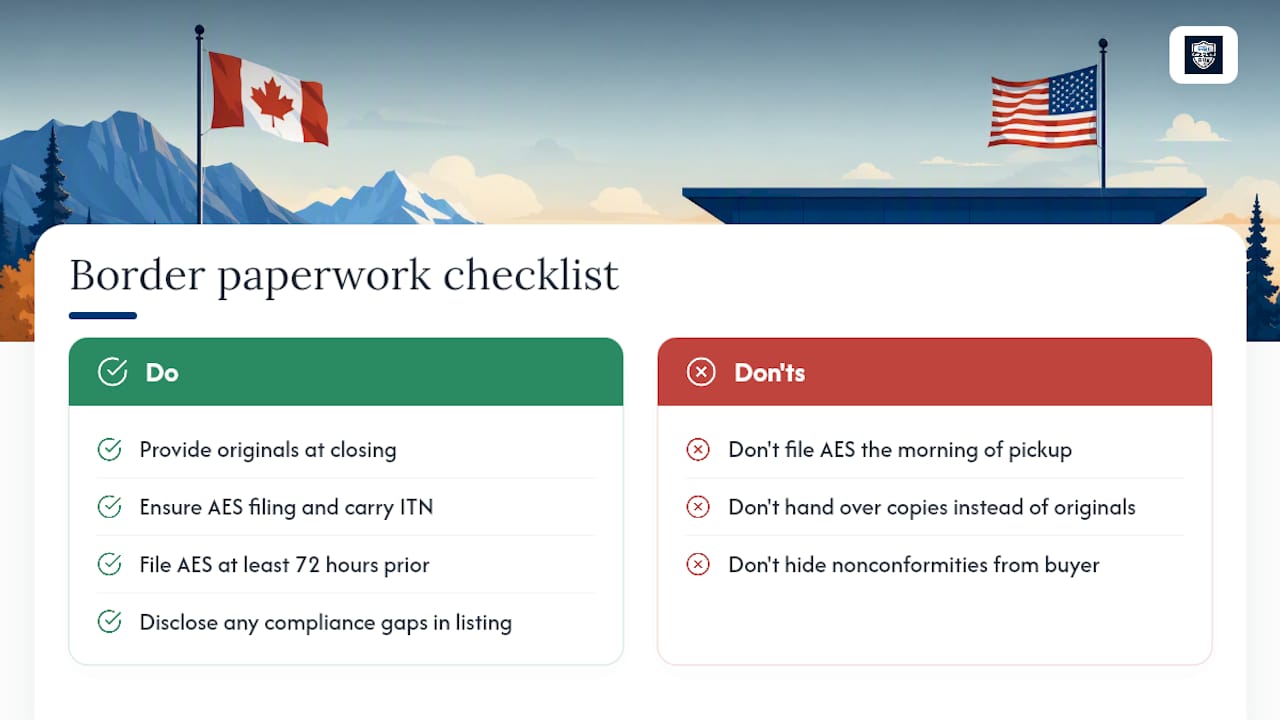
“Some land exports require that required documentation, including AES filing, be submitted at least 72 hours prior to export.” That’s not a suggestion. Filing AES the morning of pickup is one of the most common reasons a load gets turned back at the border.
72-Hour Rule: CBP requires vehicle exporters to present both the vehicle and its documentation at the port of exportation, with some land crossings needing that 72-hour advance submission locked in before the trailer or motorhome ever rolls up.
Then there’s the nonconformity question. If your RV lacks U.S. emission labels or doesn’t meet Federal Motor Vehicle Safety Standards, the buyer may need to hire a Registered Importer (RI) or an Independent Commercial Importer to bring it into compliance before CBP releases it. RIs can require DOT bonds and charge real money for that work, so flag any compliance gaps in your listing rather than letting the buyer discover them at the port.
At closing, hand over originals, not copies: title, bill of sale, and any compliance documentation. That paper trail is what supports the buyer’s state registration application once the RV lands stateside.
Getting the RV to the Border Without a Bad Surprise
Export day runs smoothly when you’ve confirmed a short list of items in advance, ideally days before the truck shows up:
- Proof of AES filing with the ITN in hand
- All original documents (title, bill of sale, lien release) physically present, not emailed
- Photo ID for whoever is presenting the vehicle, seller or agent
- Written confirmation the 72-hour notice was submitted on time
- Confirmation of exactly which port of entry the RV will cross, and what time window CBP expects it
Vet your carrier or broker before you commit. Ask whether their cargo insurance covers the RV’s full declared value during transit, whether they’ve handled cross-border RV or trailer exports before (not just cars), and whether they know the specific port’s procedures. Some carriers will present the vehicle to CBP on your behalf; others expect the buyer or their agent to do it. Get that answer in writing before shipping day.
Many Canadian sellers hand the AES filing to a U.S.-based customs broker or freight forwarder rather than attempting it themselves, since the filer needs a U.S. presence in the system. This is one place where paying a specialist saves real time.
Pro Tip: On higher-value units, structure payment through escrow or a staged release tied to the CBP export stamp. Releasing full payment before the vehicle has actually cleared the port protects you if something in the paperwork stalls the crossing.
Who Pays What: Setting Price and Buyer Expectations
Price your RV in CAD first, based on comparable units, then show the approximate USD equivalent so American buyers aren’t doing mental math on every listing they scroll past. Factor typical shipping, broker, and any anticipated ICI costs into your number, or at least be ready to discuss them, since buyers frequently choose to hire specialists rather than navigate DOT and EPA compliance solo.
A short disclosure line prevents most disputes: state plainly that the seller covers title transfer and documentation, while the buyer covers export shipping, any customs duties, ICI or RI modification costs, and state registration fees.
Buyers should expect to budget for:
- Duty, when the RV doesn’t qualify for USMCA preferential treatment
- ICI or RI compliance fees, if the unit lacks U.S. emissions labels
- State sales or use tax upon registration
- Any post-import inspection or modification costs
What sellers say went wrong
One seller assumed the buyer would “just handle” AES filing, then watched the load sit at the port for three days. Another had a lien clear on paper but no release letter in hand, which killed a deal a week from closing.
Mistake: Relying on title copies. Fix: Secure originals or certified copies weeks ahead. Mistake: Assuming the buyer owns AES/ITN. Fix: Confirm in writing who’s filing before you accept an offer.
How Gently Used RVs Makes Cross-Border Listings Easier
You’ve just read through title requirements, AES timelines, ICI gates, and disclosure language, and none of it disappears once you list. What Gently Used RVs does is take the busywork out of getting that listing live and in front of the right buyer.

Post your RV for free, with no commission taken when it sells. The AI autofill tool pulls year, make, model, specs, price, and photos straight from a dealer site or another marketplace URL, so you’re not retyping your spec table by hand while also tracking down lien releases. Geotargeted search means a buyer near the border crossing you’re planning to use sees your listing before someone three states away does, which matters when shipping distance is part of your price. Dealerships moving multiple units can skip one-by-one uploads entirely through the dealer inventory plans, which sync bulk listings automatically.
If you want your RV seen beyond a 20-mile radius, which matters a lot for cross-border sales, the paid upgrade tiers extend reach statewide or nationwide; details are on the pricing page. Start by creating your free listing today, and pair it with the disclosure language from this guide so your first serious inquiry is a real one.