You had weekend showings lined up, messages humming, and then Facebook went dark. Deals stall, photos vanish into a black screen, and your RV still sits in the driveway. Here’s how to keep momentum—and your sanity—by shifting to a purpose-built marketplace that doesn’t blink when social media does: gentlyusedrvs.com.
When Facebook goes dark: keep your RV plans moving
Outages expose a simple truth: if your listing, messages, and buyer leads live on one social platform, your entire sale is vulnerable to a single point of failure. When Facebook is offline, your audience disappears—not because interest isn’t there, but because access isn’t. In my experience, I see sellers lose two things during an outage: continuity (the thread of conversation) and discoverability (new eyeballs finding the rig). Both are fixable when your listing lives on neutral ground.
On gentlyusedrvs.com, your RV’s details exist in a structured listing that keeps working regardless of social traffic. A stable URL, proper search filters, and email-based inquiries make your ad searchable and contactable even if a social app is struggling. You can still share your listing link by text, email, or other channels. Better yet, buyers can find you by filtering on RV-specific fields—length, GVWR, sleeping capacity, solar/inverter setup—instead of hoping an algorithm shows them your post.
When Facebook returns, your listing remains the canonical source: the full gallery, service records, and price updates live in one place. You can broadcast the same link anywhere without rebuilding the ad. That stability shortens time-to-sale because buyers don’t waste effort navigating missing photos or incomplete info.
Takeaway: Treat social media as an amplifier, not your foundation. Host your RV listing on a marketplace built to stay searchable and contactable, then share it widely.
What a purpose-built RV marketplace does better than social
Social platforms are great for quick reach, but they’re blunt tools for a specialized purchase. RVs have complex specs and condition nuances that get lost in general-purpose feeds. A dedicated marketplace brings order to the chaos with fields buyers actually search and seller tools that keep negotiations on track.
Here’s what you gain the moment you shift your listing to gentlyusedrvs.com:
- Structured data: Required fields for year, make/model, VIN, length, slide-outs, tanks, generator hours, and tow ratings make your rig findable by real buyer priorities.
- Photo narrative: Upload a comprehensive gallery—exterior all sides, roof, interior zones, utilities, and honest close-ups of wear—so buyers can qualify themselves without a barrage of DMs.
- Focused search: Buyers filter by class (A/B/C, trailer, fifth wheel), budget bands, and distance, quickly surfacing the handful of rigs that truly fit.
- Conversation sanity: Inquiries arrive clean, tied to a specific listing, not lost under memes or marketplace spam. You can answer once and update the listing so the next buyer gets the info upfront.
- Shareable permanence: One link works across email, text, forums, and yes—Facebook—so your marketing doesn’t depend on a single platform’s uptime.
What I see sellers miss most on social is buyer context. A simple “Still available?” tells you nothing. On a marketplace, filters do the pre-qualifying: the buyer who contacts you has already matched on class, size, and price. That shortens cycle time and keeps showings purposeful.
Takeaway: A marketplace isn’t just another place to post. It’s a system that filters, informs, and preserves your sale—especially when social is unpredictable.
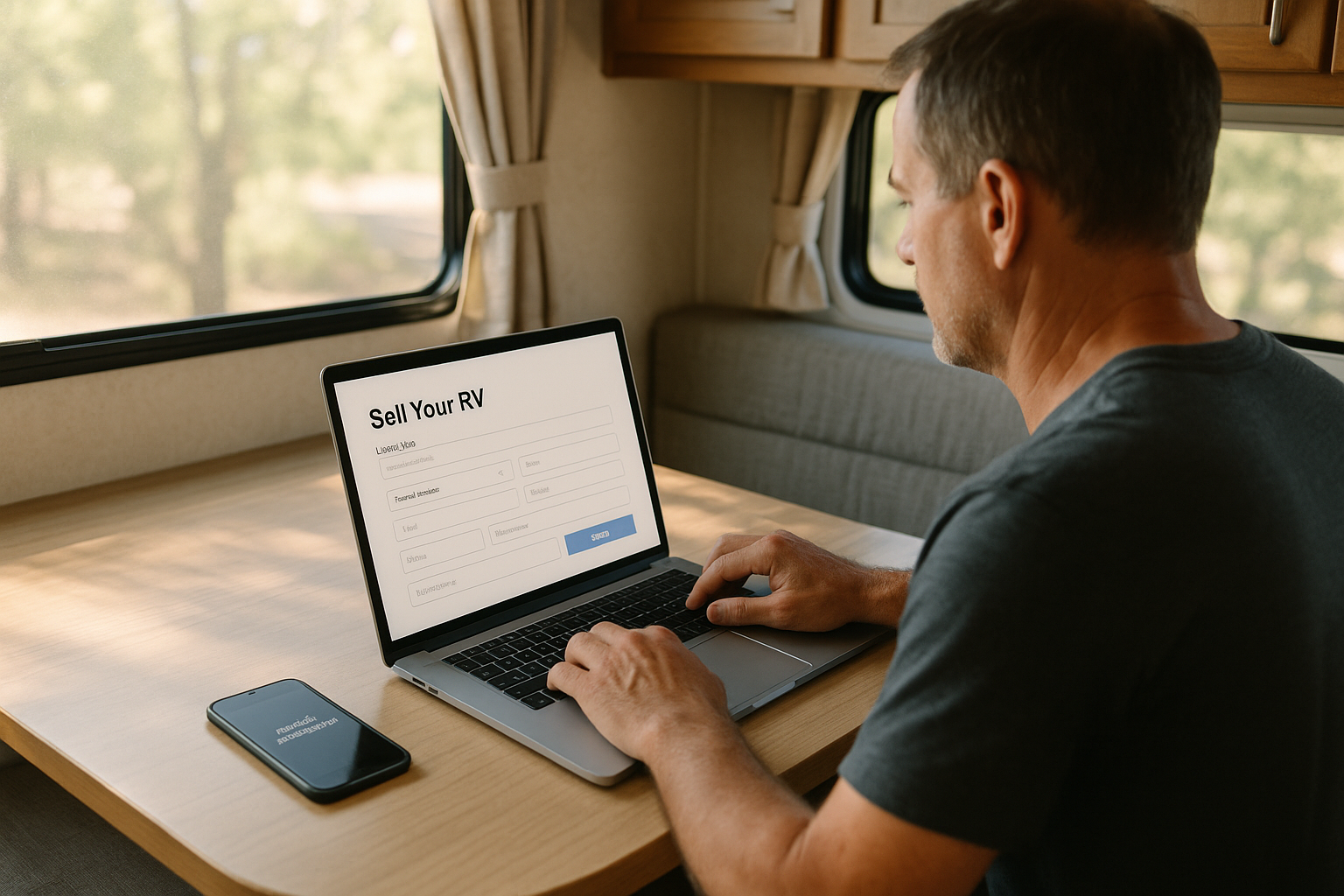
How to list your RV on gentlyusedrvs.com in one focused hour
If you can block 60 minutes, you can publish a listing that outperforms a week of scattered posting. Here’s a time-boxed plan I’ve used with sellers who need results fast.
- 10 minutes – Gather essentials: Title, registration, VIN, current mileage or generator hours, maintenance records, and a quick list of upgrades (solar, suspension, lithium batteries, tires with DOT week/year, hitch components, recent seals/roof work).
- 15 minutes – Shoot smart photos:
- Exterior: front/left/right/rear, three-quarter angles, roof if safe, tires (tread/sidewalls), undercarriage peek.
- Interior: cockpit/galley/dinette/bed/bath/garage (toy haulers), slides extended/retracted, utility bays, data plates.
- Lighting: open shade or golden hour. Turn on interior lights. Clean counters. Aim for 20–30 photos.
- 20 minutes – Write an honest, scannable description:
- Lead with the use case (family weekends, full-time couple, boondocking).
- List specs in bullets (length, dry weight, tanks, engine/chassis, sleeping).
- Highlight upgrades and maintenance with dates (e.g., “New tires 2023, batteries 2022”).
- Disclose known issues plainly. Honesty saves wasted showings.
- 10 minutes – Price with intent: Review comparable listings on gentlyusedrvs.com. Set an initial price based on condition and upgrades (more on this below).
- 5 minutes – Publish and share: Post the listing, then text/email the link to interested parties and local RV groups/forums. If Facebook is back, share the same link there.
Pro tip: Photograph “flaws with context.” If there’s a scratch, show it from 3 feet and 1 foot. Buyers appreciate transparency and come to the showing ready to buy, not to negotiate the existence of reality.
Takeaway: A focused hour produces a strong, portable listing link you can share anywhere—no waiting on a social app to wake up.
Pricing that sells in days, not months
Pricing is where most private sellers bleed time. Too high, and you collect tire-kickers; too low, and you leave thousands on the table. The goal is to be the best value in your true peer set, not the entire internet. Here’s a framework that works consistently.
- Define your comp set: Same class, +/- one model year, similar mileage/hours, and comparable upgrades. Ignore outliers.
- Establish the range: Pull 6–10 live comps on gentlyusedrvs.com to see the active market. Note average asking price and how long they’ve been listed.
- Adjust for reality:
- Condition premium: +2–5% if you have fresh tires, batteries, and service with receipts.
- Deferred maintenance discount: -3–7% if the next owner must buy tires, reseal, or replace house batteries soon.
- Unique upgrades: Solar/lithium, suspension, or high-end electronics can add perceived value if documented.
- Choose a position: To sell fast, aim 1–3% below the midpoint of true comps. To test the top, start near the upper third—but commit to data-driven adjustments.
- Set a review cadence: If you receive fewer than 3 qualified inquiries in 7–10 days, drop 2–3% or improve photos/description. Momentum matters.
Example: Your 2017 30-foot travel trailer with new tires and two lithium batteries. Active comps: $18,500–$22,000. With documented upgrades and clean condition, you could open at $20,900 to test the upper middle. If you don’t see quality leads in a week, reduce to $20,400 and update the title and first photo to reflect your best feature.
Takeaway: Price is a strategy, not a number. Start where you can defend value with documentation, then respond to real buyer activity on a set schedule.
Vetting buyers and closing the deal without the chaos
Outages don’t just kill listings—they scramble conversations. Move buyer vetting to a repeatable process that works no matter where the initial lead comes from. In my experience, a clear path from first message to signed bill of sale prevents 90% of the drama.
Use this sequence:
- Qualify via message: Reply with three questions:
- “What’s your intended use and tow vehicle (if trailer)?”
- “Do you have a timeframe and budget set?”
- “Any must-have features I can confirm?”
- Share the essentials: Send your gentlyusedrvs.com link, recent maintenance highlights, and a short video walkaround link if you have one.
- Schedule a showing: Meet in a safe, well-lit location with hookups if possible (storage lot with power, campground day-use, or your driveway if appropriate). Have shore power and water available to test systems.
- Test drive rules (motorized): Verify a valid driver’s license and proof of insurance. Ride along; set a defined route. For trailers, confirm tow ratings and that the buyer has a compatible brake controller and hitch.
- Discuss money clearly: Agree on a deposit (refundable or not, and under what conditions), accepted payment types, and a target closing date. Many private-party deals use cashier’s checks or bank-to-bank transfer. Verify funds at the bank when possible.
- Paperwork: Prepare a bill of sale, title (or lien payoff letter), any warranty documents, and a simple “systems demonstration” checklist both parties initial.
Red flags: Buyers who refuse a phone call, pressure you to ship sight-unseen without normal safeguards, ask you to accept overpayment, or avoid meeting in a reasonable public location. Trust your gut and slow the process.
If there’s a lien, agree on a payoff process with the lender’s instructions before the showing. Transparency builds confidence and keeps serious buyers engaged even if social platforms wobble.
Takeaway: A written process beats ad-hoc DMs. Qualify, demonstrate, document, and close with clear money movement and paperwork.
Buyers: find the right rig fast when social is offline
When social media blinks, your life doesn’t. You can still find a great RV by working a tight search-and-verify plan. The best buyers I’ve seen treat the hunt like a project: define the target, filter hard, vet the short list, then move decisively on the top candidate.
Use this quick system on gentlyusedrvs.com:
- Define must-haves vs. nice-to-haves: Class, length range, sleeping capacity, tow vehicle limits, tank sizes, boondocking needs (solar/inverter), budget ceiling.
- Run filtered searches: Sort by distance and recent listings. Save searches and set alerts so fresh matches come to you—even if social feeds are down.
- Shortlist 3–5 rigs: Prioritize documented maintenance, clear photos, and honest disclosures. Ask for missing info once; if answers are evasive, move on.
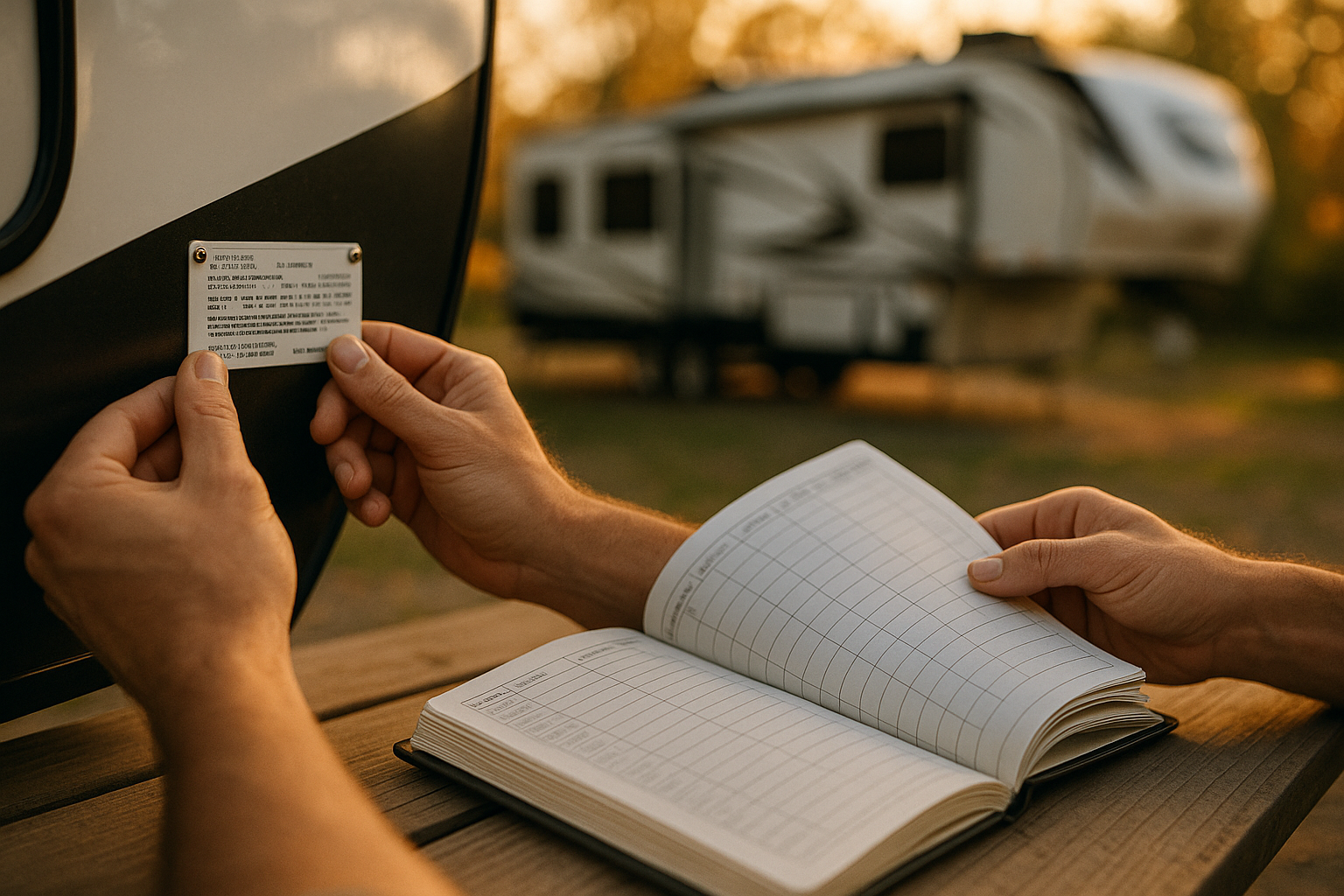
- Request proof: Service invoices, VIN photo, tire DOT dates, battery age, and generator hours. For trailers, ask for the weight sticker photo to confirm tow compatibility.
- Offer with contingencies: A fair price paired with a subject to satisfactory inspection condition and a small good-faith deposit keeps both parties aligned.
- Inspect with intent: Check roof seals, soft spots on floors, slide operation, water heater/furnace/AC, fridge (on both power sources), plumbing leaks, tire condition, and charging systems. Bring a notepad and 30–45 minutes.
For distance deals, schedule a video walkthrough first, then a single efficient trip to inspect, pay, and take delivery. Ask the seller to have the rig powered and water-connected so you can test systems quickly. Clarity and speed win you the good ones, every time.
Takeaway: Filters, documentation, and decisive offers beat scrolling. You don’t need a social feed to land the right RV—you need a process.
Build a resilient selling and buying toolkit
Platforms change. Algorithms shift. Outages happen. The buyers and sellers who consistently get results have a toolkit that works across channels and doesn’t depend on any single app. Here’s a compact checklist I recommend keeping on your desktop and phone.
- Master listing: Your gentlyusedrvs.com link with 20–30 photos and a spec bullet list.
- Document pack: Title/registration, VIN, recent service receipts, tire/battery dates, user manuals (digital if possible), and any transferable warranties.
- Money plan: Agreed forms of payment, deposit policy, and a simple written closing outline.
- Message templates: Buyer qualification questions and showing instructions you can paste anywhere.
- Inspection checklist: Systems test steps for both parties to initial. Keeps everyone honest and focused.
- Share strategy: Email and text lists of interested friends, club forums, and local groups—so you’re never waiting on one site.
Use this toolkit whether Facebook is humming or hiccuping. Your listing remains the single source of truth; everything else is distribution. That mindset turns outages into minor speed bumps instead of roadblocks.
Takeaway: Own your process and your data. Let social amplify, not anchor, your RV deal.
Frequently Asked Questions
How do I move my Facebook listing to gentlyusedrvs.com quickly?
Copy your photos into a single folder, gather the basics (year, make/model, length, VIN, mileage/hours, upgrades, maintenance), then create a new listing on gentlyusedrvs.com using structured fields. Paste your best description, upload 20–30 photos, publish, and share the new link everywhere—including back on Facebook once it’s live again.
Do I need a Facebook account to contact sellers on gentlyusedrvs.com?
No. The whole point is to keep the RV marketplace working even when social media isn’t. You can browse listings, filter by what matters, and contact sellers through the marketplace using standard web and email workflows.
What happens to my messages if a site goes down again?
When your primary listing lives on gentlyusedrvs.com, your inquiry history and listing updates aren’t tied to a social feed. Keep communications consolidated around your listing link and email so nothing critical disappears with an app outage.
How can I vet buyers safely without endless DMs?
Use a repeatable script: ask intended use, timeline, and must-haves; provide your listing link and maintenance highlights; set a clear showing plan; define deposit/payment and closing steps in writing. Meet in safe, well-lit areas and verify identity and insurance for test drives.
Can I sell an RV with a lien still on it?
Yes, many private sales involve a lien. Coordinate with your lender for payoff instructions, bring payoff letters or contacts to the showing, and outline the sequence: deposit, payoff, title release, and final transfer. Clear expectations keep serious buyers engaged.
How often should I adjust price if I’m not getting inquiries?
Set a cadence. If you have fewer than three qualified inquiries in 7–10 days, revise photos/description and consider a 2–3% price adjustment. Let real buyer activity—not guesswork—guide your changes.
Ready to keep your RV search or sale moving—no matter what social media is doing? Browse live listings and dial in your filters at gentlyusedrvs.com/search.