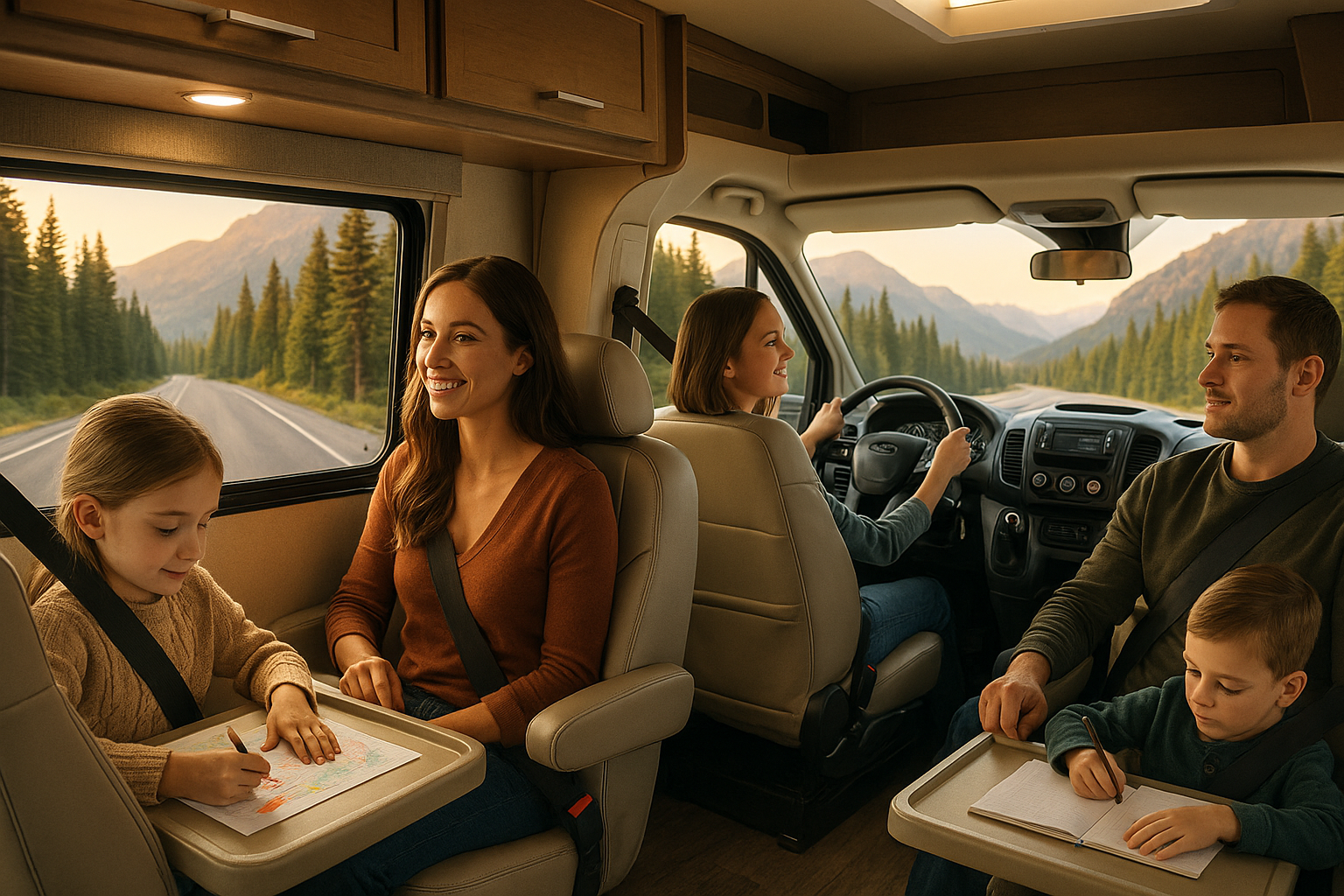
You want the memories, not the meltdowns. RVing with kids can be the best kind of chaos—if you design the trip around their needs, not your bucket list. These field-tested dos and don’ts will help you plan smarter, travel safer, and keep the smiles coming long after the s’mores are gone.

Do build a kid-first itinerary; don’t overschedule the miles
When I plan family routes, I start with kids’ energy—not the map. A 400-mile day that’s easy solo can feel like a marathon with toddlers. Build your daily drive time around age-based attention spans and natural breaks. In my experience, sweet spots look like this:
- Under 5 years: 2–3 hours total driving, with a 15–20 minute stop every 60–90 minutes
- 5–9 years: 3–4.5 hours total, with at least two movement breaks
- 10+ years: 4–6 hours total, planned mid-route lunch and stretch
Lay out A-to-B-to-C days that end by late afternoon so setup isn’t a race against bedtime. I keep “Plan B” pins saved for backup campgrounds and roadside parks when naps go haywire or weather forces a pivot. Use state rest areas, city playgrounds near highways, and short nature loops as reset stops—20 minutes on a swingset can buy you another peaceful hour on the road.
- Choose anchor stops every 90 minutes (playground, scenic pullout, visitor center).
- Aim to arrive by 4–6 pm; earlier if you’re boondocking.
- Book pull-through sites on travel days to make setup faster.
- Keep one "free day" per 3–4 travel days to absorb surprises.
Pro rule: Let kids help “own” the route. Print a simple map and give them a sticker for each stop. Ownership reduces the “Are we there yet?” chorus.
Takeaway: Plan the trip to match kids’ rhythms. Fewer miles, more movement, and earlier arrivals make every day easier.
Do secure kids correctly on travel days; don’t treat the RV like a living room
The RV is a motor vehicle in motion, not a rolling playroom. Kids should ride in the cab or in factory-installed, forward-facing seats with appropriate seat belts or child restraints, just as they would in a car. Avoid makeshift solutions: travel trailers and fifth-wheels aren’t designed for passengers underway, and many dinette benches or side-facing sofas in motorhomes aren’t suitable for car seat installation. If a seating position doesn’t allow your car seat to be installed exactly as the manual specifies, it’s not a safe option—full stop.
- Use only seating positions with integrated belts and solid anchor points.
- Follow your car seat/booster manual for belt routing; boosters need lap-and-shoulder belts.
- Keep the cabin clear: stow projectiles (loose cookware, toys, batteries) in latched cabinets or bins.
- Balance your load. Distribute heavy items low and between the axles for stable handling.
Create a travel-day layout: snacks and approved activities within reach, seatback organizers stocked, water bottles leashed to seats, and one small trash bag per row. I keep a “last 60 minutes” kit—fresh activity, mystery snack, and a stretch stop—to prevent final-leg frays.
- Preflight check: belts, child restraints, and loose items secured.
- Assign seats and activities before rolling.
- Stop every 2–3 hours for restroom and movement breaks.
Safety callout: Install and test your smoke and carbon monoxide alarms monthly; replace batteries as needed. Never run a portable generator inside or near the RV, and keep it far from windows and doors to prevent CO exposure [1].
Takeaway: Treat seat belts and secure storage as non-negotiable. If it wouldn’t fly in your family car, it doesn’t fly in your RV.
Do choose kid-friendly campsites; don’t wing your setup routine
Where you park matters as much as what you pack. When booking, filter for pull-through sites on travel days, paved pads for scooters, and proximity to bathrooms and playgrounds (100–300 feet is ideal). On arrival, walk the site with kids before you unhook. Flag hazards: water edges, thorny plants, neighboring dog tie-outs, low branches, and fire pits too close to play areas.
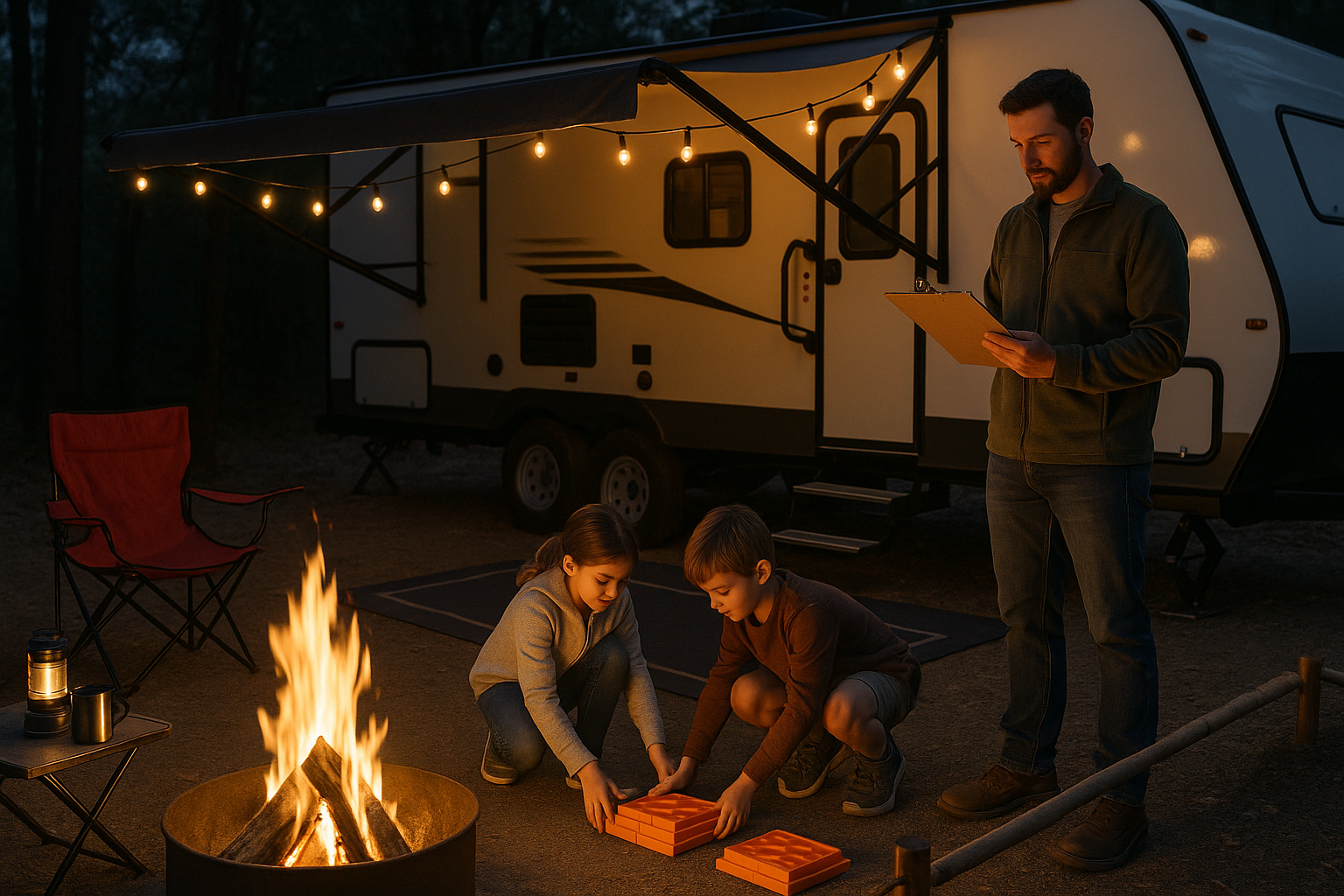
In my setup routine, everyone has a role. Kids get “job cards” with pictures: place the chocks, collect small sticks for kindling, clip on the dog’s tie-out. Meanwhile, an adult follows a repeatable checklist—level, deploy slides, hook utilities, awning out (weather-check), mat down, and boundary string if needed. A bright paracord line between two stakes can define a clear “no-go” border for toddlers near roads or slopes.
- Arrive with sunlight to spare; headlamps and tired kids don’t mix.
- Keep one storage bay “first-out”: chocks, blocks, gloves, hoses, surge protector.
- Scan the ground for glass, hooks, nails, and ant piles.
- Confirm quiet hours and campground rules upfront to set expectations.
Make a visible family rules sign for outside: shoes on, no running behind rigs, ask before leaving the site, quiet voices after dusk. Kids respect rules they helped create—have them decorate the sign.
Takeaway: Book sites that support kid energy and use a consistent arrival checklist so setup is smooth, safe, and drama-free.
Do simplify food and snack systems; don’t gamble with cold storage
Hungry kids spark 90% of campsite meltdowns—that’s my very unscientific tally. Solve it with predictable snack access and short, repeatable meals. Build a two-bin system: one day’s worth of grab-and-go snacks at kid height (applesauce, jerky, crackers, cut fruit) and a backup stash out of reach. For meals, rotate 6–8 proven hits you can cook in under 25 minutes: tacos, skillet pasta, sheet-pan nachos, grilled chicken pitas, breakfast-for-dinner, and campfire veggie packs.
- Pre-chop produce and proteins in leak-proof containers before travel days.
- Use color-coded bottles per kid to track hydration.
- Set a clear “snack window” every 2–3 hours to avoid constant grazing.
- Assign small sous-chef tasks: rinse berries, butter tortillas, stir pancake batter.
RVs vary in fridge performance, especially in heat. Use a thermometer and keep the refrigerator at or below 40°F (4°C) to slow bacterial growth [2]. Load cold items cold (don’t rely on the RV fridge to chill warm groceries), avoid overpacking so air can circulate, and keep a backup cooler with block ice for high-turnover items like drinks. For boondocking, plan 48–72 hour fresh-food cycles and freeze meals flat to maximize space.
- Daily cooler check: drain water, add ice, rotate perishables.
- Label leftovers with date; eat within 2–3 days.
- Dish duty chart—who scrapes, who washes, who dries—to end sink stalemates.
Camp-cooking hack: Cook once, eat twice. Grill extra proteins on night one and turn them into wraps, quesadillas, or salads the next day.
Takeaway: Systematize snacks and safeguard cold temps. Predictable food routines calm kids and protect everyone’s stomachs.
Do pack purposeful activities; don’t rely only on screens
Screens are a tool, not a plan. I aim for a mix of hands-on, outdoor, and quiet-time activities that work in tiny spaces and shifting weather. Build a 3-layer kit:
- Road kit: magnetic puzzles, dry-erase maps, audiobooks, travel bingo, scratch-art pads.
- Camp kit: bug boxes, headlamps, sidewalk chalk, kite, compact balls, junior field guides.
- Rain kit: painter’s tape racetracks, craft bin, LEGO in a latching tray, card games, story cubes.
Set expectations for screen time (e.g., last hour of a long drive or post-setup only). Download shows and playlists before you lose service. At camp, build rituals that don’t require gear: evening “rose and thorn” check-ins, flashlight tag, or a 10-minute sit-spot where everyone describes three things they saw that day. The Junior Ranger programs at national and many state parks turn hikes into scavenger hunts; keep pencils and clipboards by the door.
- Rotate toys weekly so everything feels fresh.
- Create a family nature list: bird calls heard, animal tracks found, constellations spotted.
- Teach one campsite skill per trip: knot tying, map reading, or fire building (age-appropriate).
Pro tip: One “surprise” activity per travel day—new audiobook chapter, glow-sticks after dinner—goes a long way when patience runs low.
Takeaway: Pack compact, varied activities and rituals. Keep minds engaged so the tablets are a backup, not a crutch.
Do protect sleep and downtime; don’t fight your home routines
Burned-out kids burn trips. Protect sleep like a utility: water, power, quiet. Recreate familiar cues—favorite pajamas, a stuffed animal, bedtime books. Use blackout shades or clip-on curtains to fight early sunrise, and run a white-noise app or small fan to mask campground sounds. If your RV has multiple beds, let kids pick their “nest” on day one and add a privacy sheet if siblings are struggling.
Temperature swings in RVs are real. Pre-cool or pre-heat the sleeping area 30 minutes before lights out. In hot climates, crack windows for cross-breeze and use reflectix covers on sun-exposed windows. If you must run a generator to power A/C outside of hookups, ensure you have working CO alarms, position the generator well away from the rig and downwind, and never run it in enclosed spaces or near openings to prevent carbon monoxide accumulation [1].
- Follow “lights out” within 30 minutes of home schedule on travel days.
- Pre-pack a bedside caddy: water, headlamp, book, tissues.
- Respect quiet hours; use inside voices and low lights after dusk.
- Plan early activities for early risers: nature notebook, short bike loop, quiet craft.
- Guard one daily rest block—even a 30-minute tent/rig quiet time resets moods.
Night-setup hack: Keep pajamas and toothbrush kits in one grab bag so bedtime happens even if you arrive late.
Takeaway: Match home sleep cues and manage temperature and noise. Well-rested kids make everything else easier.
Do prepare for weather and emergencies; don’t leave safety to chance
Weather swings, scrapes, and surprises are part of the adventure. You can’t predict everything, but you can stock smart. Build a family first-aid kit with kid doses front and center. Include adhesive bandages, antiseptic, tweezers, small finger splints, oral rehydration salts, antihistamine, pain/fever reducer, moleskin, and a digital thermometer. If anyone has allergies or asthma, duplicate prescriptions and store a set in the tow vehicle.
Weather-wise, pack layers that dry fast and two shoe options per kid (closed-toe hikers and camp sandals). For rain, think hands-free: brimmed hats and ponchos beat umbrellas when little hands are full. Program weather alerts on your phone, and know the campground’s severe weather plan and shelter location at check-in. For heat, make liberal use of shade sails and midday rest; for cold, use sleep sacks or merino base layers.
- Carry printed campsite info and emergency contacts in case of dead batteries.
- Do a five-minute “what-if” drill with kids: lost at camp, bee sting, sudden storm.
- Teach boundaries: never cross roads without an adult; ask before visiting another site.
- Keep a compact tool roll, spare fuses, tape, and a tire repair kit accessible.
- Run a monthly safety test: smoke/CO alarms, fire extinguisher gauge, and escape windows.
- Review generator placement and ventilation before first use each trip [1].
Food safety reminder: keep your fridge at or below 40°F and use a thermometer; when in doubt, throw it out [2].
Takeaway: A prepared parent is a calm parent. Stock the kit, brief the kids, and rehearse the basics before you need them.
Do pack light but right; don’t forget the small comforts
Every extra tote steals cargo space and mental space. I aim for a “10% wiggle room” rule: load the rig so at least one bin and one cabinet stay empty for on-trip adds. Choose multi-use items and favor soft-sided storage. Then sprinkle in two or three comforts that matter—they punch above their weight in happiness.
- Multi-use gear: microfiber towels (beach, bath, dish), nesting cookware, collapsible buckets.
- Space savers: packing cubes for kids’ clothes, over-door shoe organizer for toiletries.
- Comfort boosts: two extra fleece throws, clip-on fan, string lights, and a welcome mat.
- Kid-specific: headlamps with red mode, camp chairs that truly fit small bodies.
Make a shared “pre-departure wall” list. Ours has five boxes: Sleep, Eat, Wear, Play, Safety. Under each, 3–5 must-haves. If it doesn’t fit, it negotiates. On the return trip, mark what you never used; cut it next time. Conversely, star the MVPs you’d buy again. After three trips, your kit will feel dialed and lighter.
- Weigh your loaded rig once; know your margins for safety and braking.
- Store heaviest items low and centered; strap tall bins to prevent tip-overs.
- Give kids one personal tote; what fits, goes.
Pack-to-unpack tip: Pre-pack outfits in gallon bags (shirt, shorts, socks, undies). Grab-and-go mornings, zero rummaging.
Takeaway: Keep gear lean and intentional, but don’t skip the two or three small comforts that make the RV feel like home.
Frequently Asked Questions
How long can kids realistically travel in an RV per day?
Plan 2–6 hours depending on age and temperament, broken into 60–90 minute segments with movement breaks. Arrive by late afternoon so setup isn’t colliding with dinner and bedtime. If everyone’s thriving, add a bit; if tempers flare, cut miles and extend the trip by a day.
Where should kids sit in a motorhome?
Use seating positions with factory-installed seat belts that allow proper car seat or booster installation per the child seat manual. Many side-facing benches and dinettes aren’t suitable for restraints. When in doubt, use the safest positions with lap-and-shoulder belts and never let kids roam while moving.
Can kids ride in a travel trailer or fifth-wheel while towing?
No. Travel trailers and fifth-wheels are not designed for passengers underway. Kids should ride in the tow vehicle in appropriate belts or child restraints. Treat the trailer as cargo when moving and as a home only when parked.
What’s the best way to keep food safe in a small RV fridge?
Use a fridge thermometer and keep temps at or below 40°F (4°C) [2]. Pre-chill food at home, don’t overpack so air can circulate, and supplement with a cooler for drinks and high-turnover items. Reheat leftovers to steaming and label with dates so they don’t linger.
Is it safe to run a generator at night for A/C?
Only if your setup meets safety basics: working CO alarms, generator placed outside and away from windows, doors, and vents, and downwind of your RV and neighbors. Never run generators in enclosed spaces or near openings; carbon monoxide is odorless and dangerous [1]. Consider campground rules and quiet hours, too.
How do I manage bedtime routines in one small space?
Recreate familiar cues: same order (brush, book, lights), blackout curtains, and a white-noise source. Pre-cool or pre-heat the sleep area, use soft clip lights after lights-out, and prepare a bedtime bag so the routine stays intact even after late arrivals.
Ready to put these dos and don’ts to work on your next family getaway? Explore gently loved rigs that fit your crew and budget at Gently Used RVs.